Growinspace
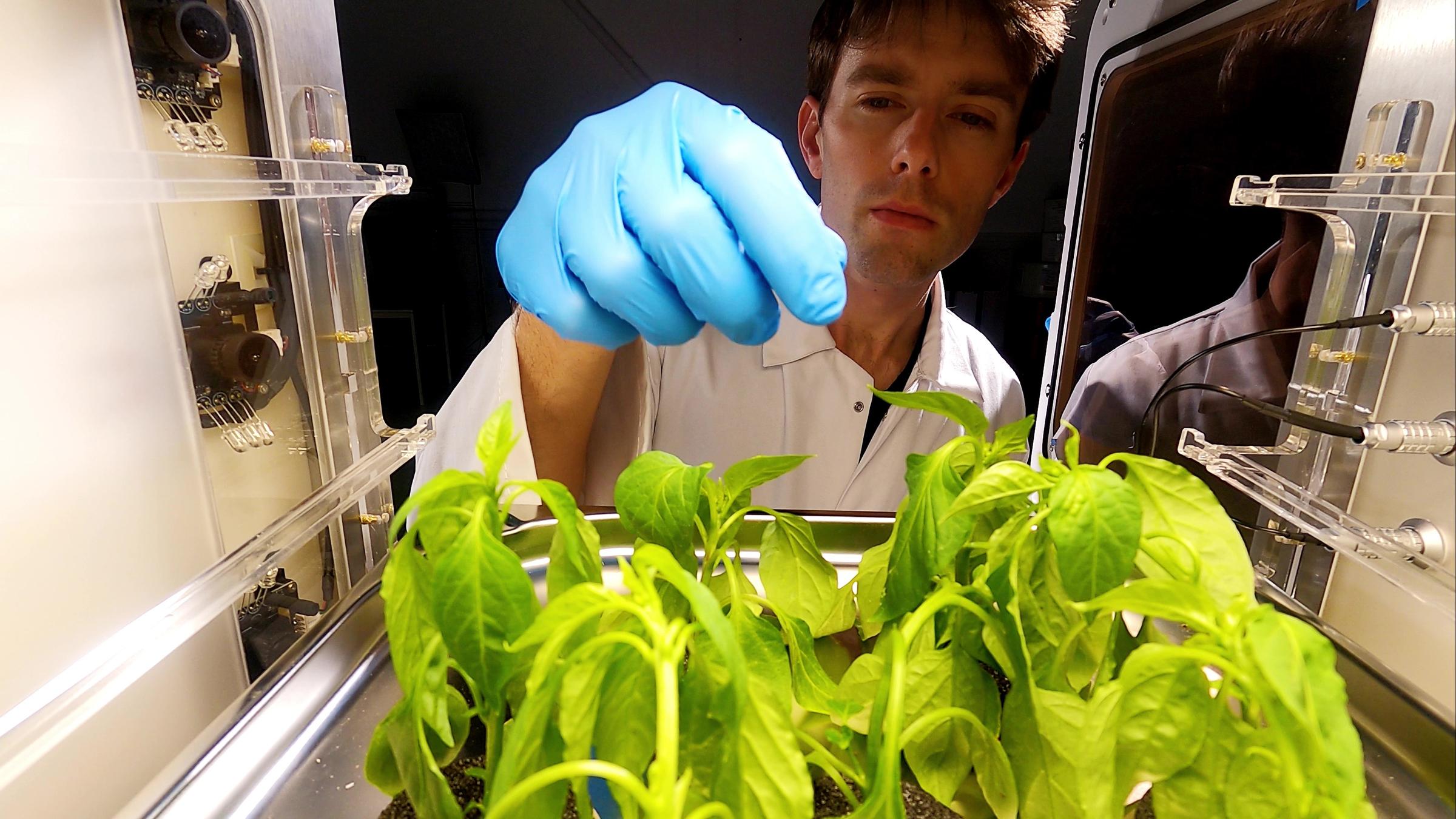
We work together


Growing Life in Space.
We pave the way towards bioregenerative life-support systems by developing autonomous pods for plant cultivation beyond Earth.
Our space program
- LEO - EDEN - RESEARCH2027
- LEO - EDEN - Mission Little Prince 2027
- MOON - BLOOM - RESEARCH2028
- MOON - BLOOM - Mission Little Prince 2029
- Earth
- Orbital Stations
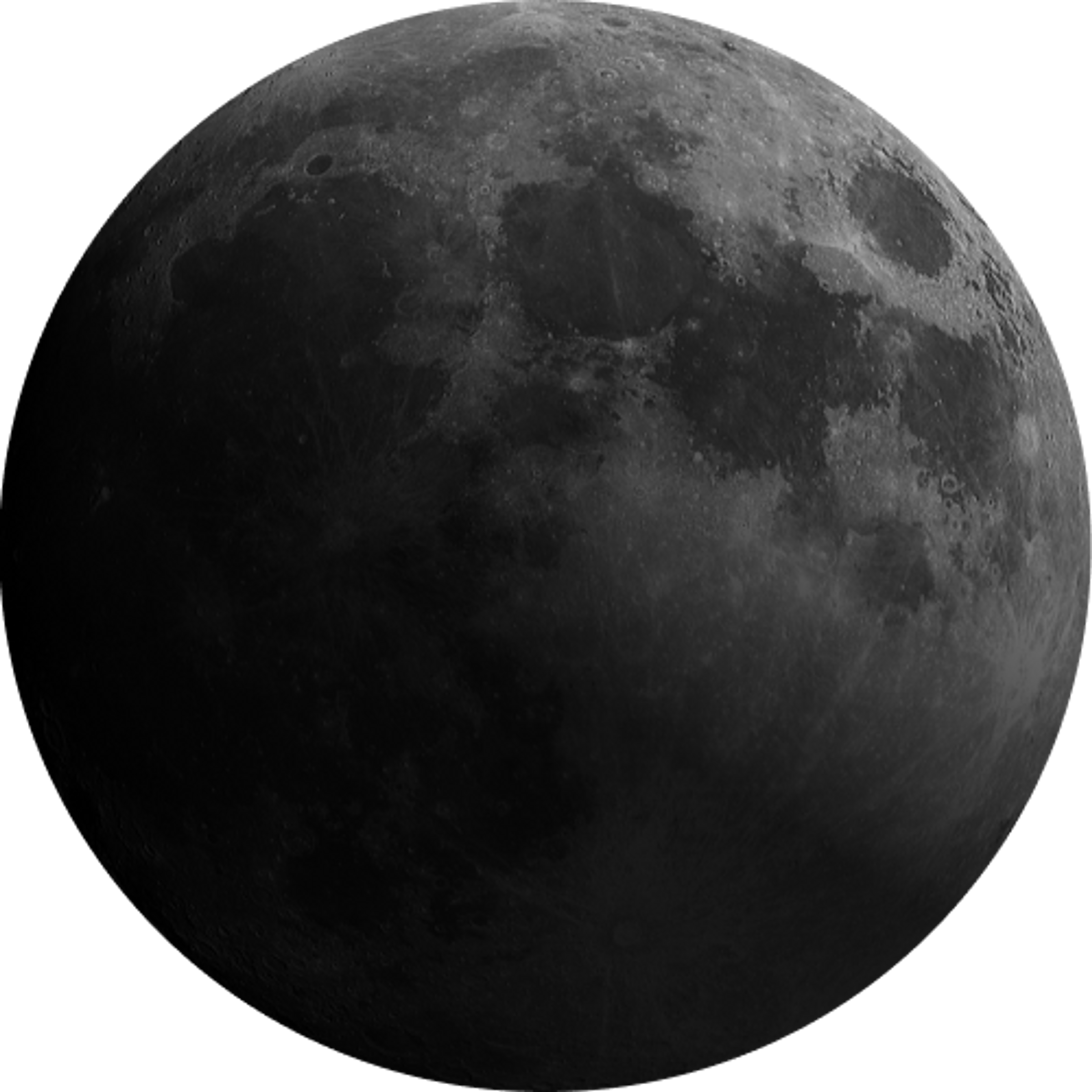
- Moon
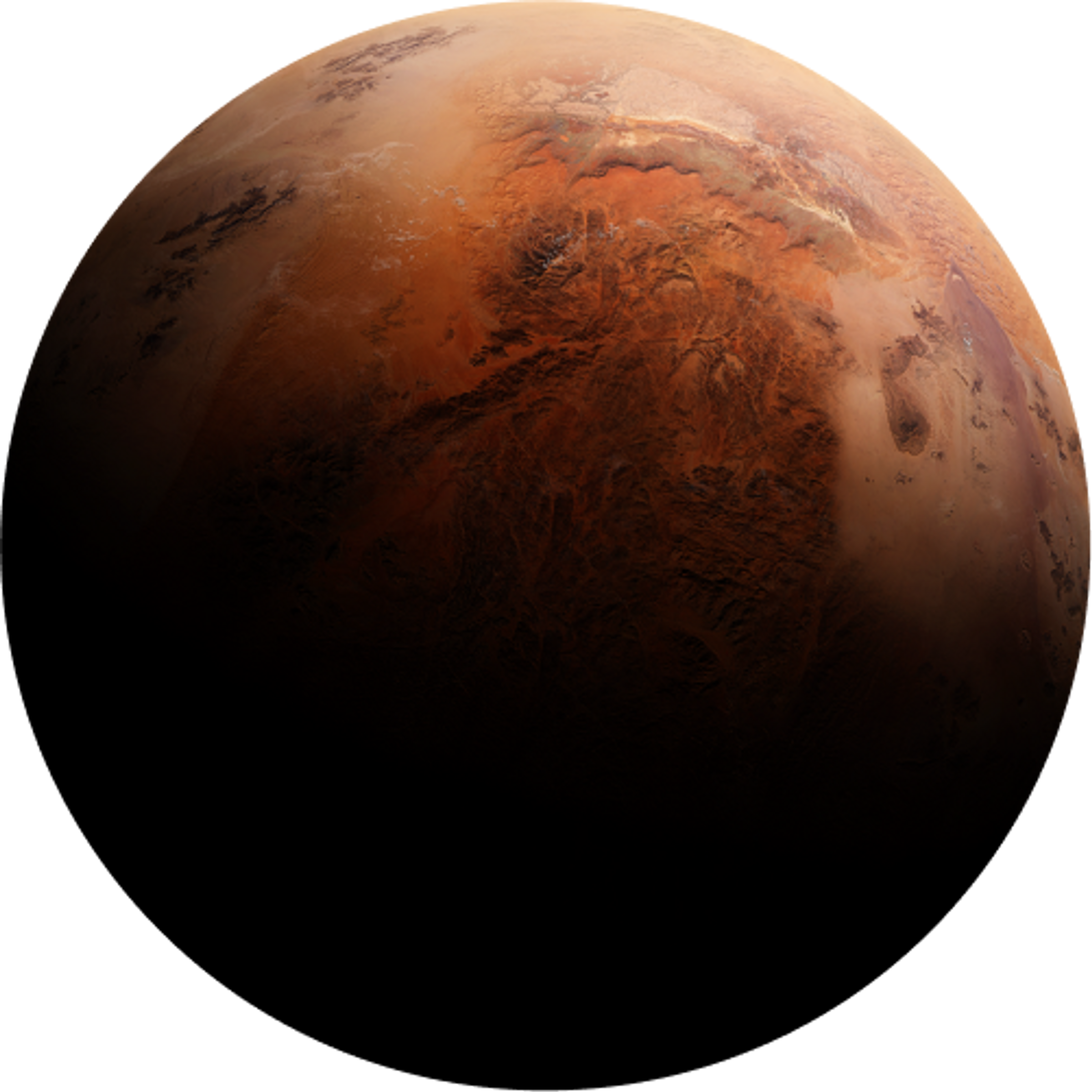
- Mars

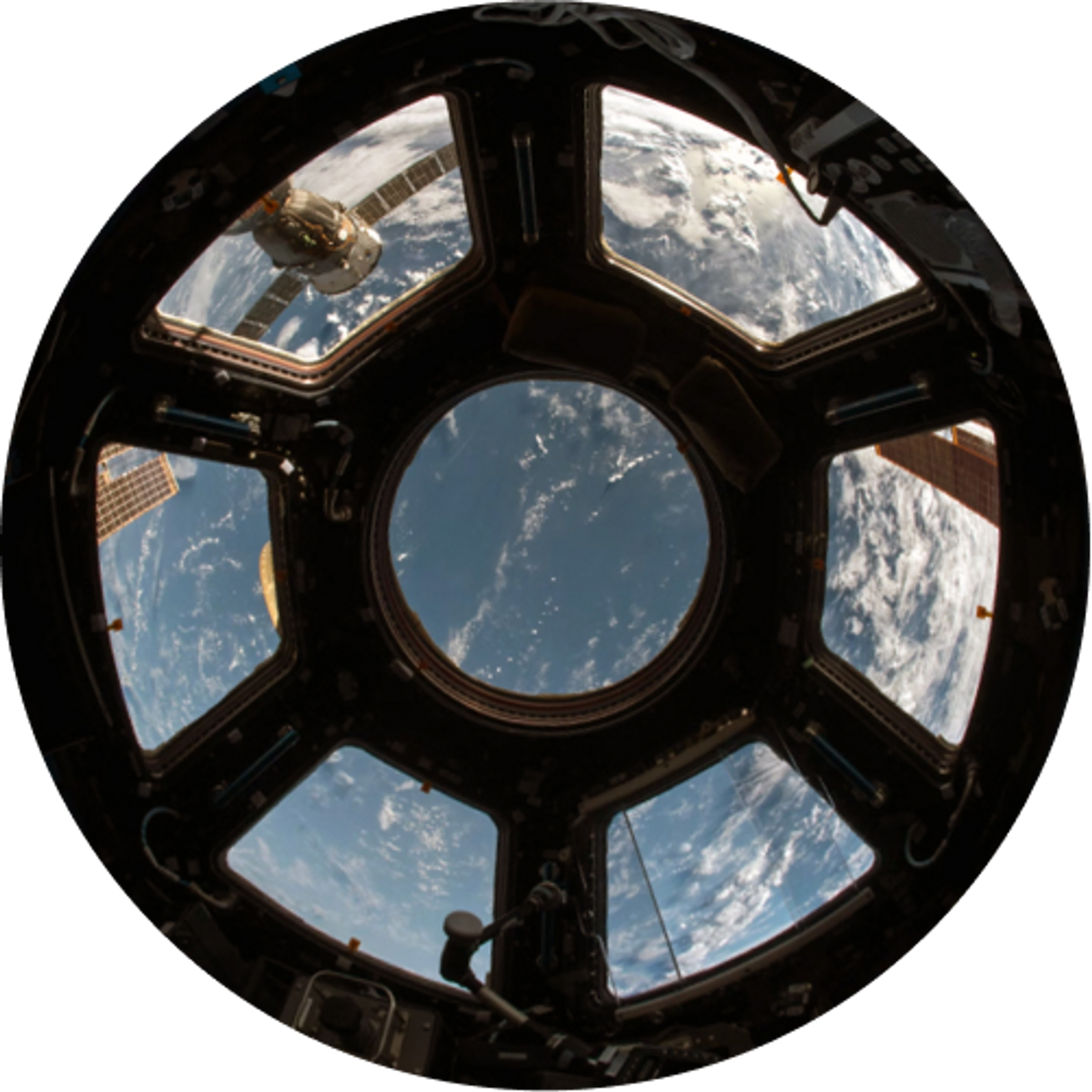
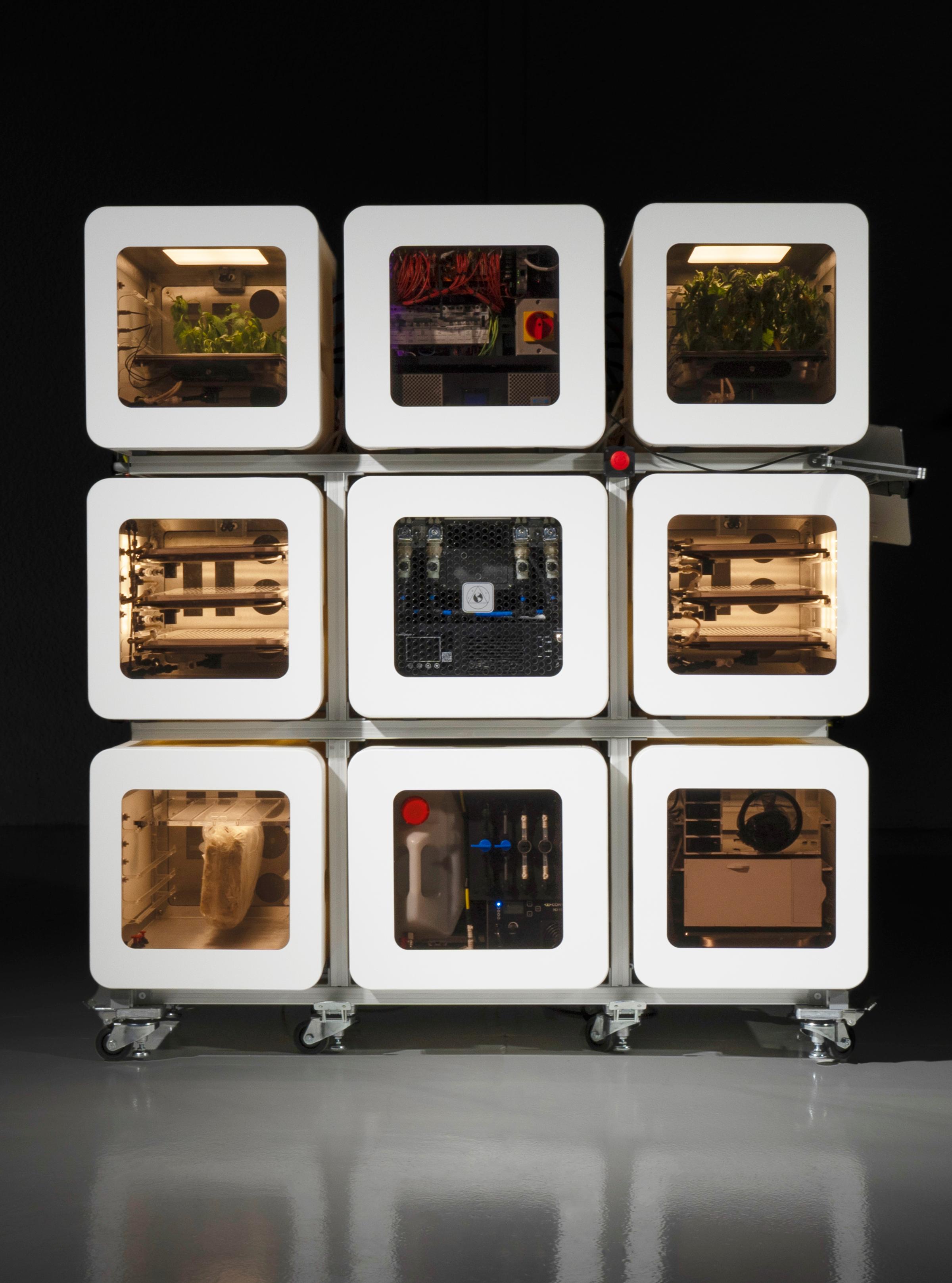 Analog Station (2024)NUCLEUSAutonomous closed-loop food production system designed to meet astronauts' nutritional needs during extended space missions. NuCLEUS is the US first prize winner of NASA DSFC.
 Orbital Stations (2027)EdenSpinoff from NUCLEUS developed for NASA, Eden is a AI-controlled payload to grow plants in LEO.
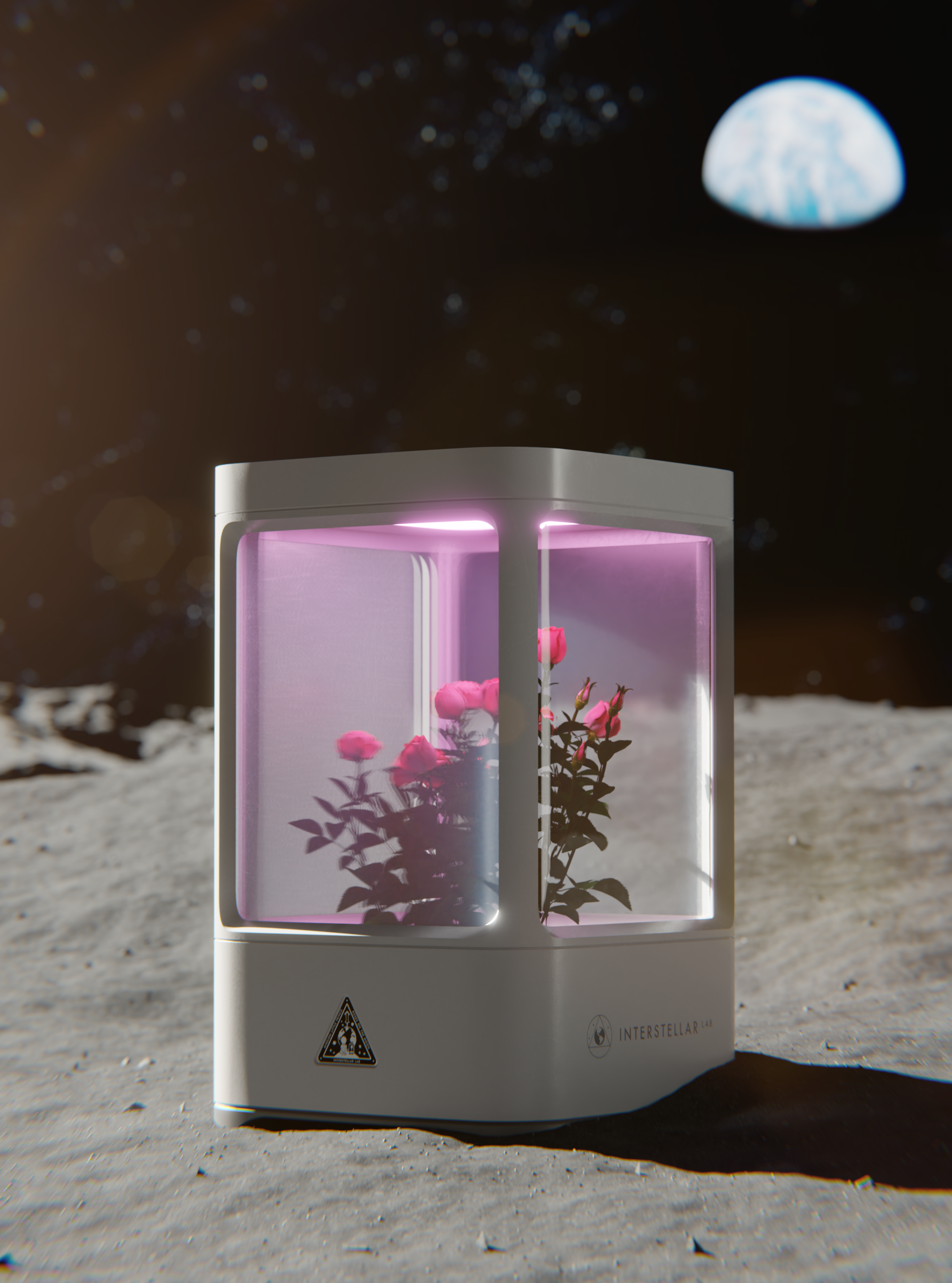 Moon (2027)BLOOMBLOOM is an automated small greenhouse designed for Mission Little Prince. For the Moon landing, the company partnered with Astrolab to install the payload on the lunar surface with FLEX rover.
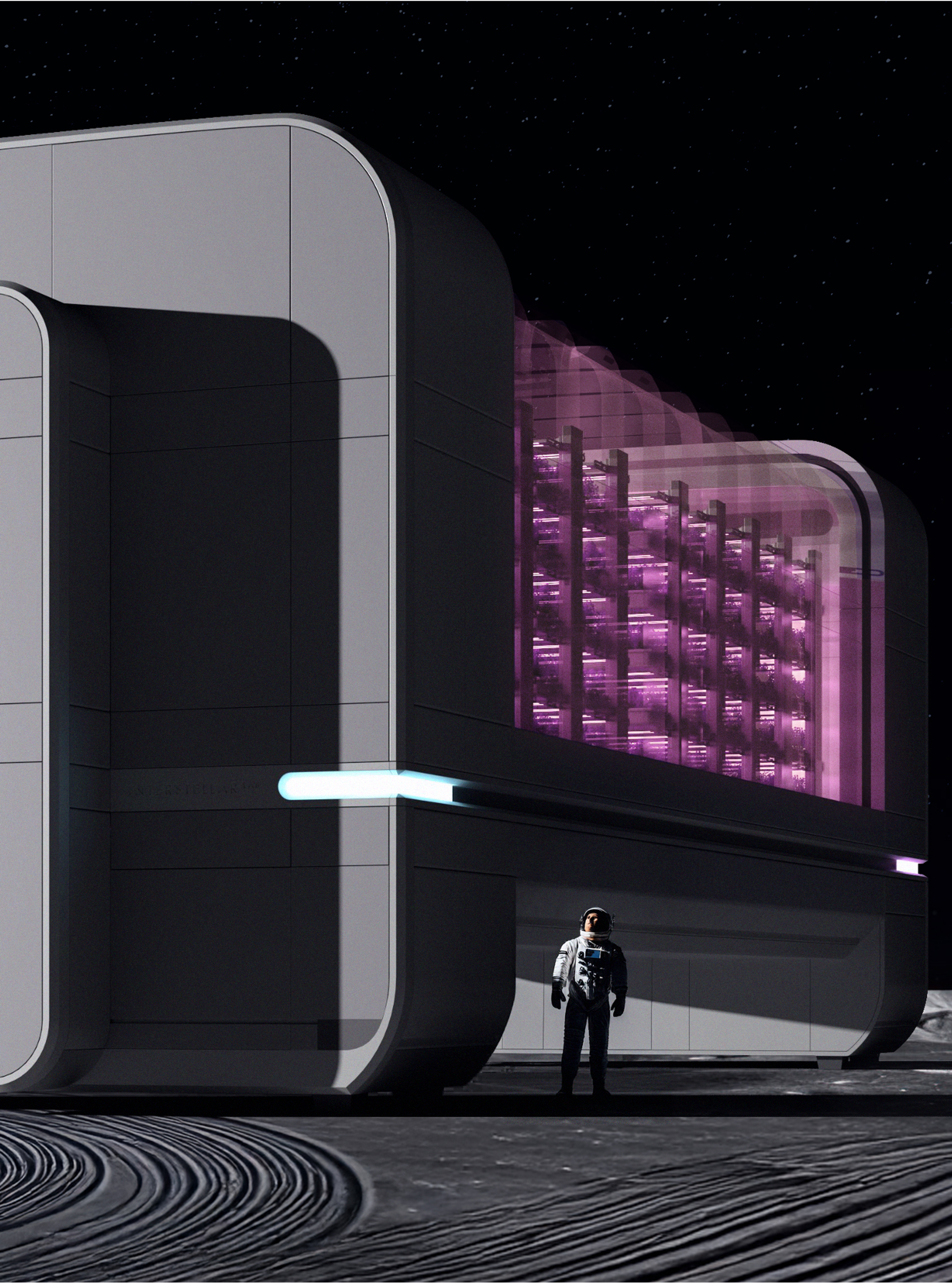 Moon (2028)MoonPodIn the context of the Artemis Program, we are working on adapting BioPod to lunar environment. Target release of automated greenhouse: 2028.
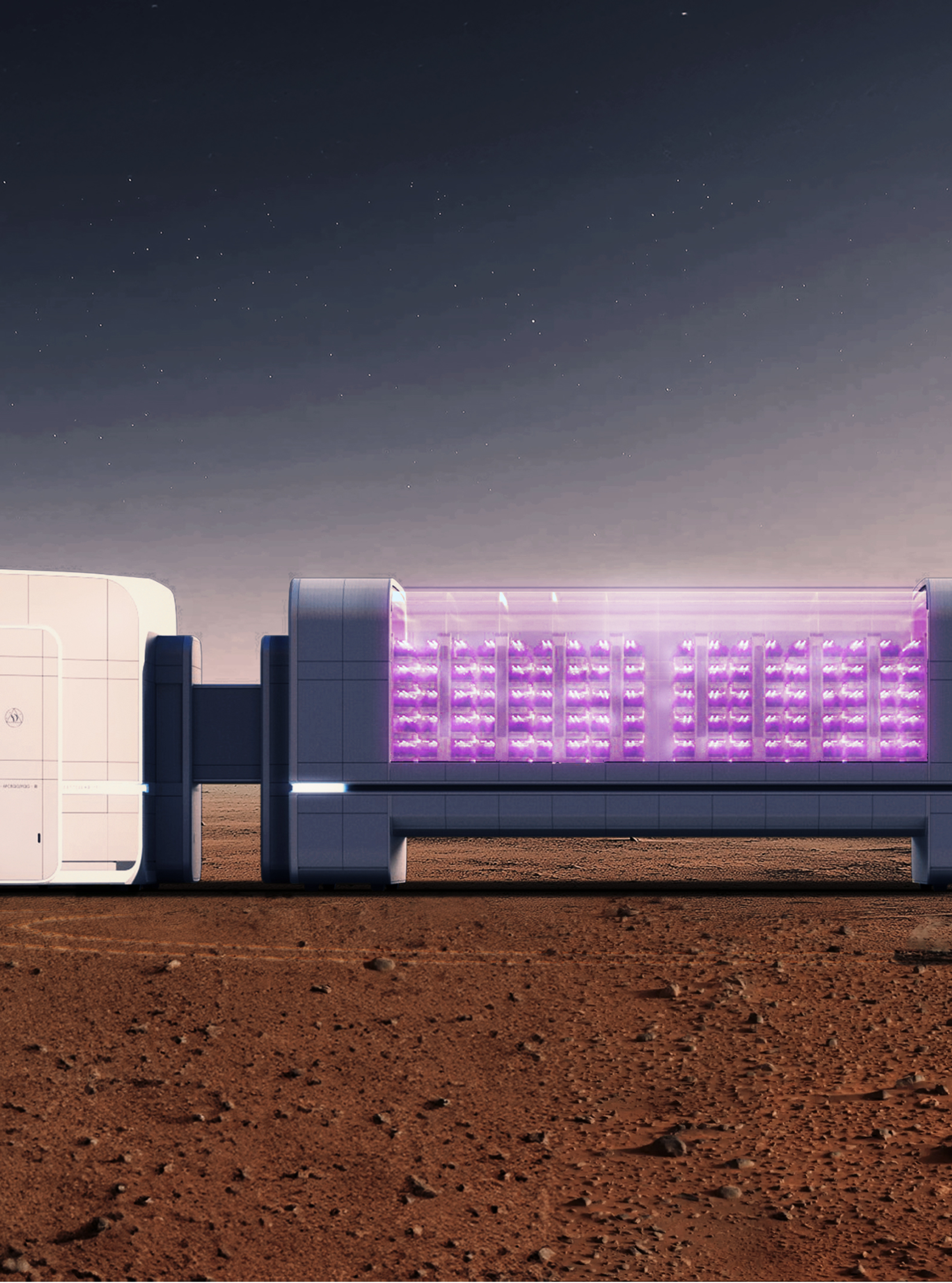 Mars (2030)MarsPodVision of BioPod adaption for martian environment with a target release for 2030.
Micro-GResearch
Micro-G Research
Our microgravity research explores how plants adapt and respond to the unique conditions of space. By studying these stress responses at the cellular and molecular levels, we uncover mechanisms that are difficult to observe on Earth. This work enables the identification of traits linked to improved resilience, optimized growth, and the production of high-value bioactive compounds, with direct applications in agriculture, pharmaceuticals, and cosmetics.
Microgravity Research
We explore how plants and living systems adapt to microgravity, enabling breakthroughs for long-duration space missions.
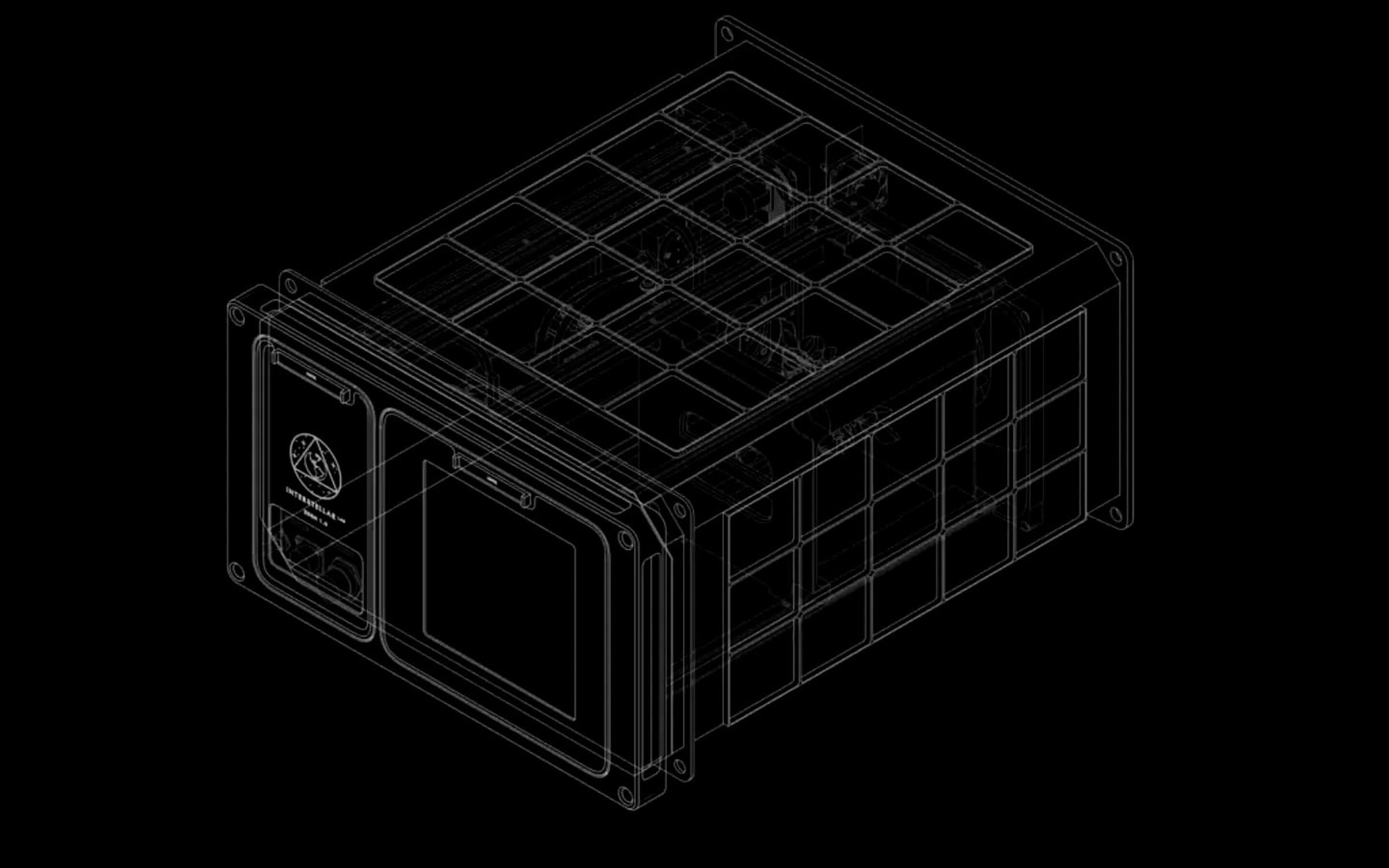
Discover Eden : next-gen payload for life-science research in orbit.
Advancing plant science in microgravity, Eden studies space-grown flora to benefit both off-world missions and Earth’s agriculture.
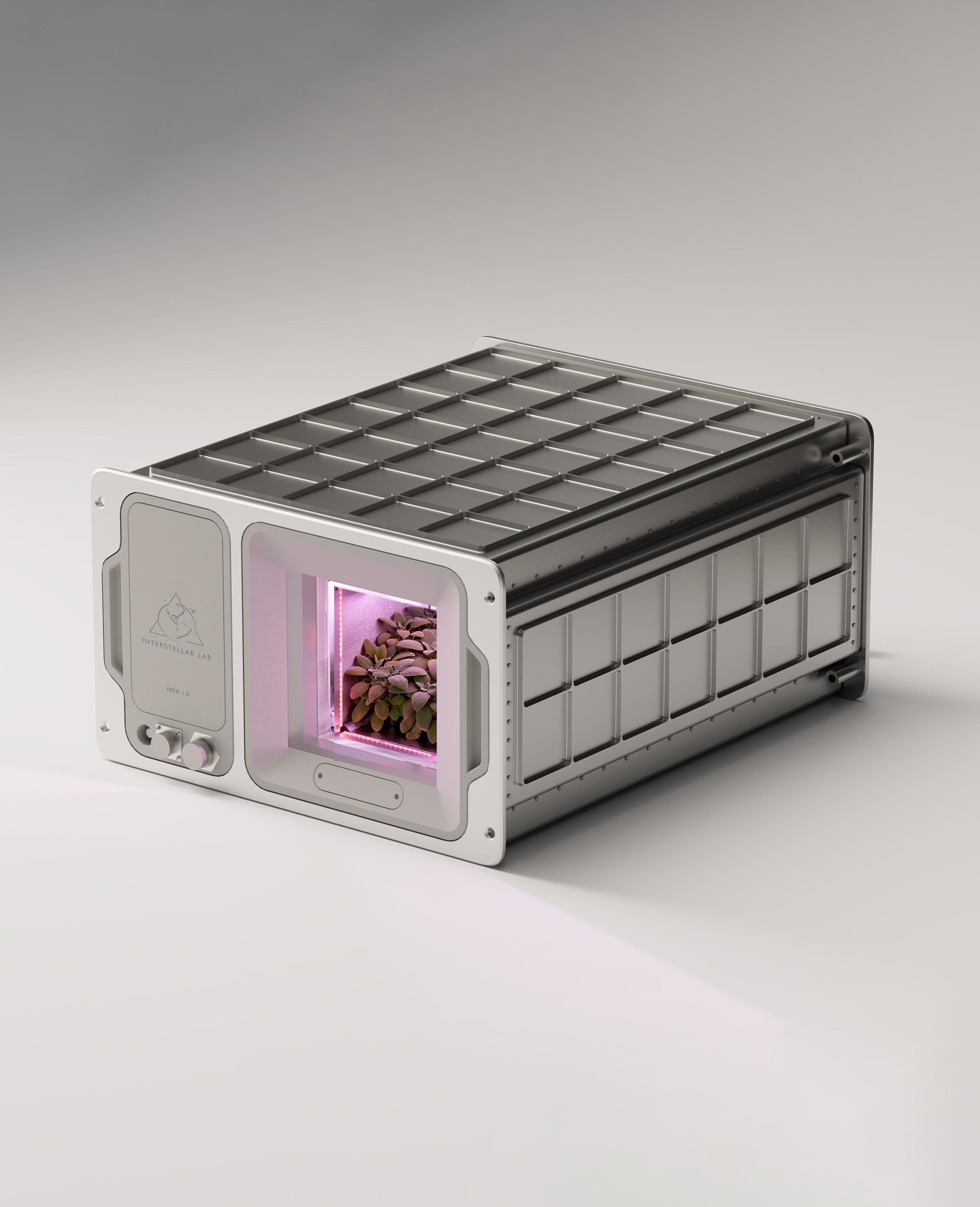
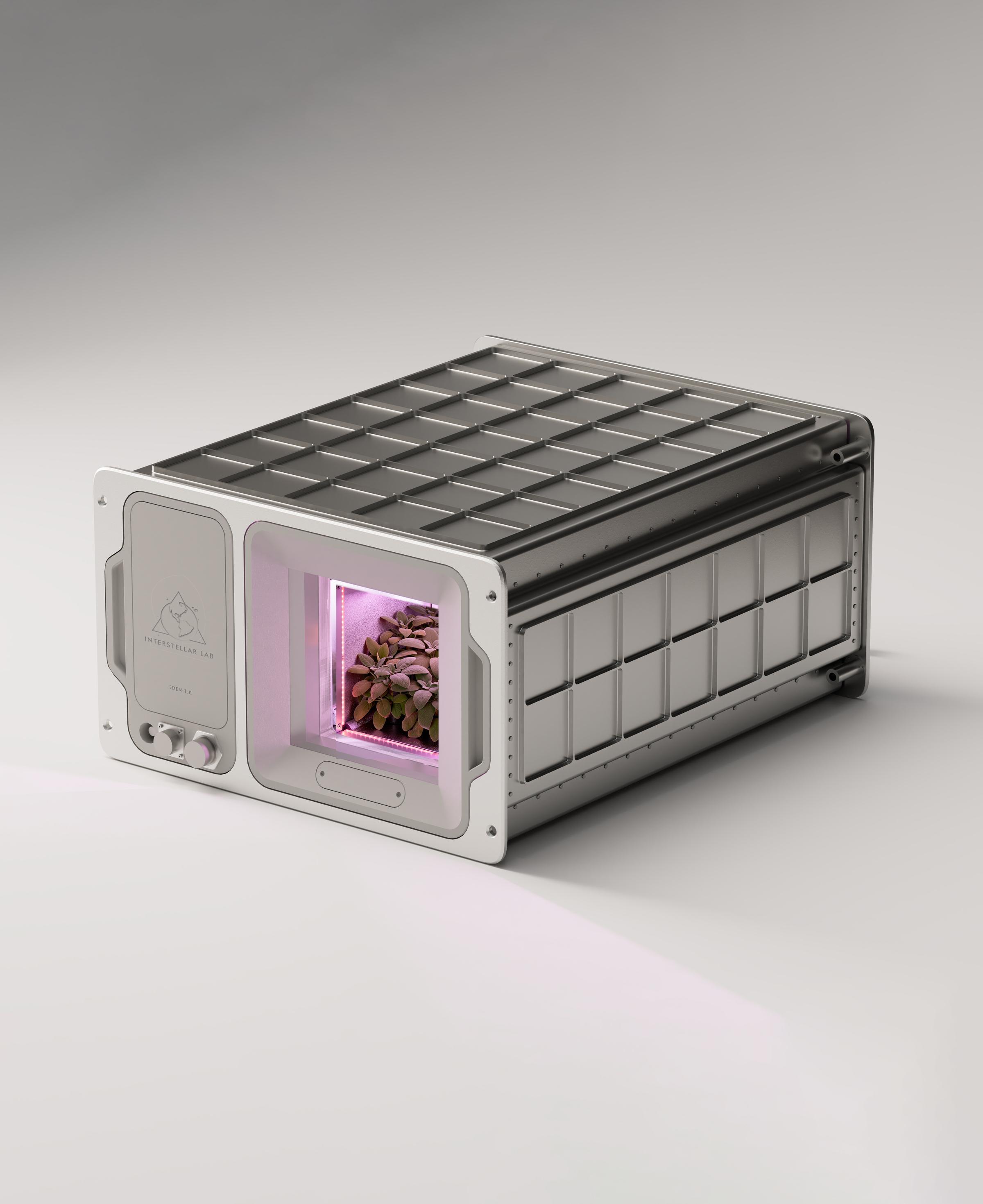
Fig 1Eden 1.0 - Credit: Interstellar Lab 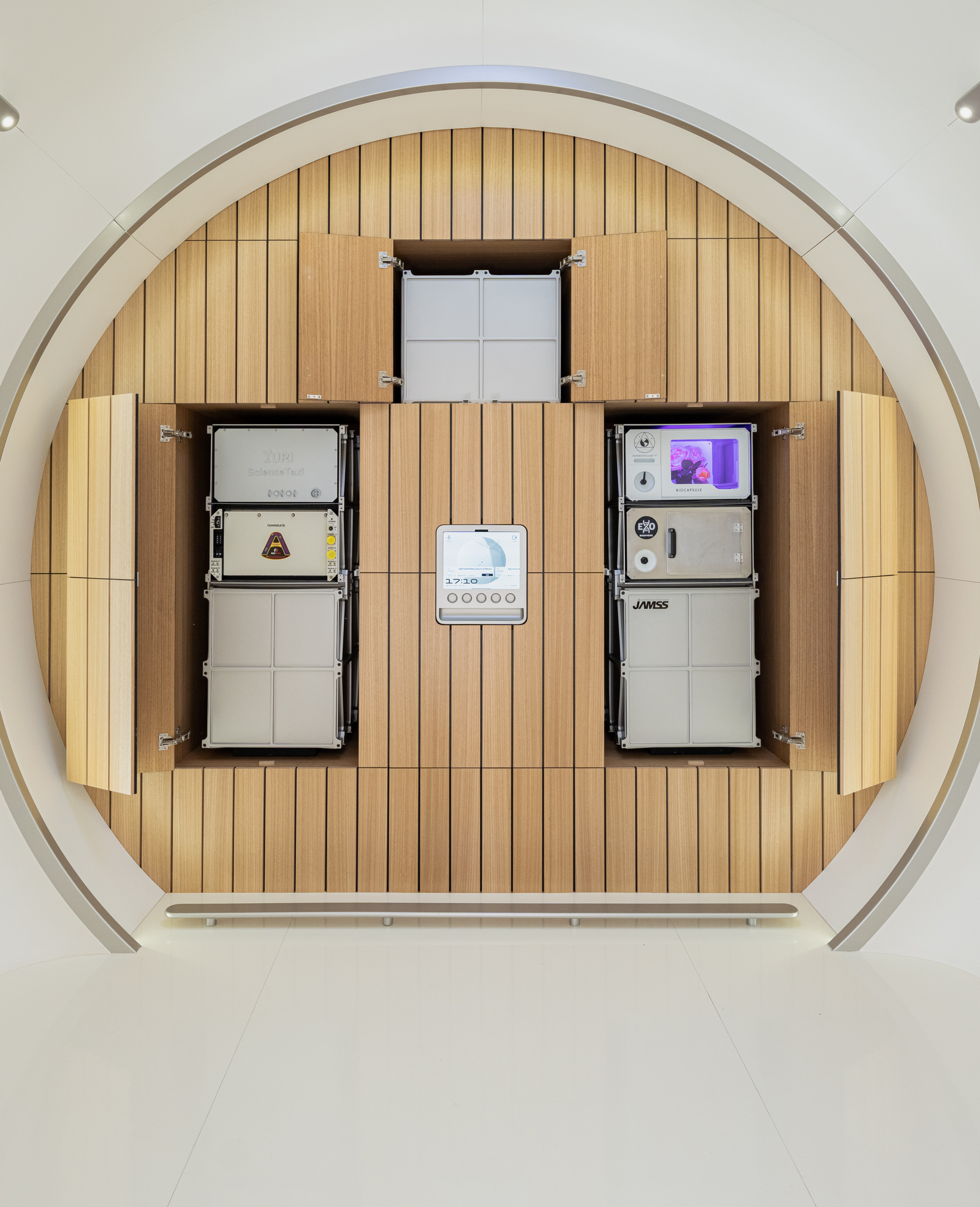
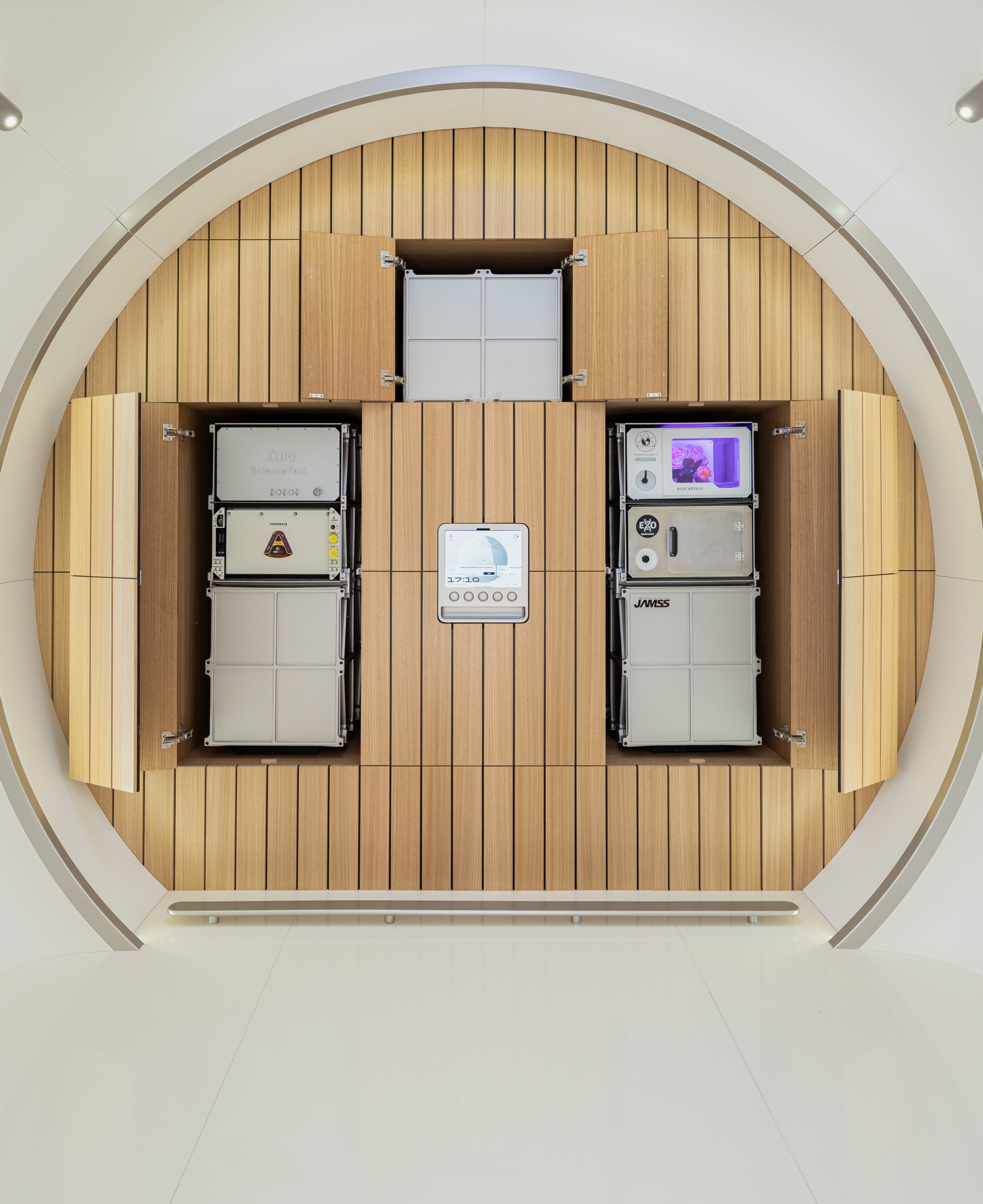
Fig 2Haven-1 Lab Experience - Credit: Vast 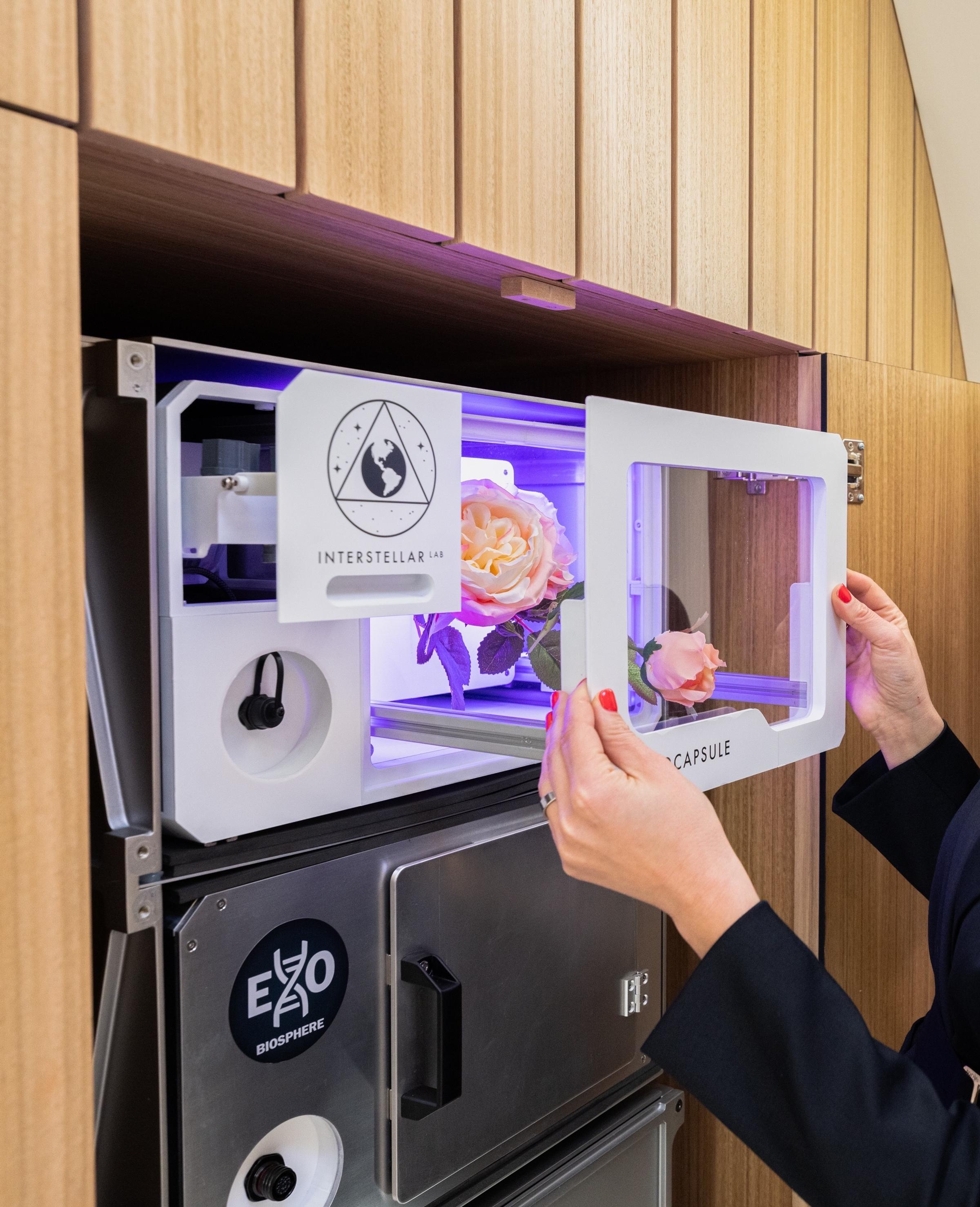
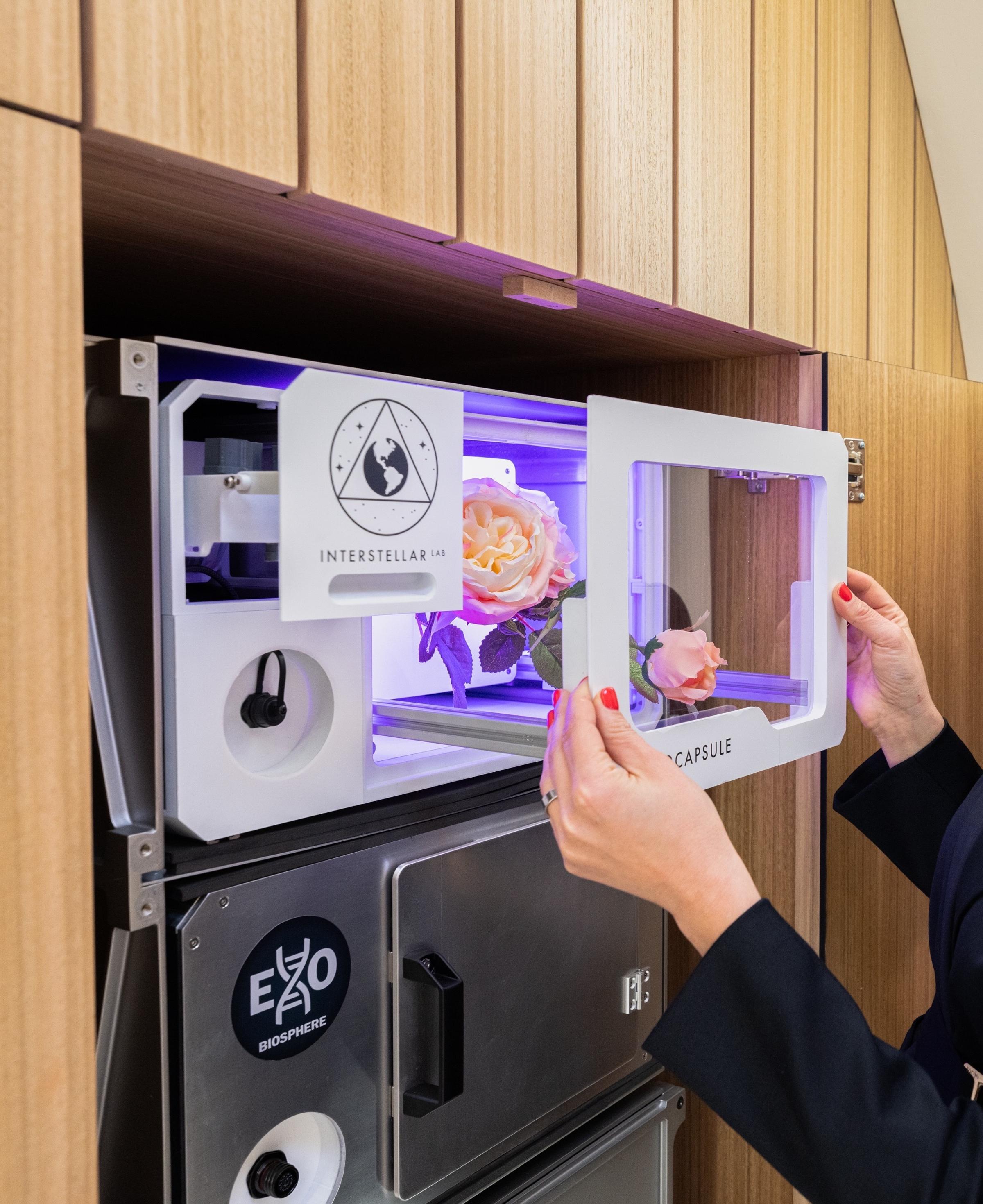
Fig 3Eden in the Haven-1 Lab 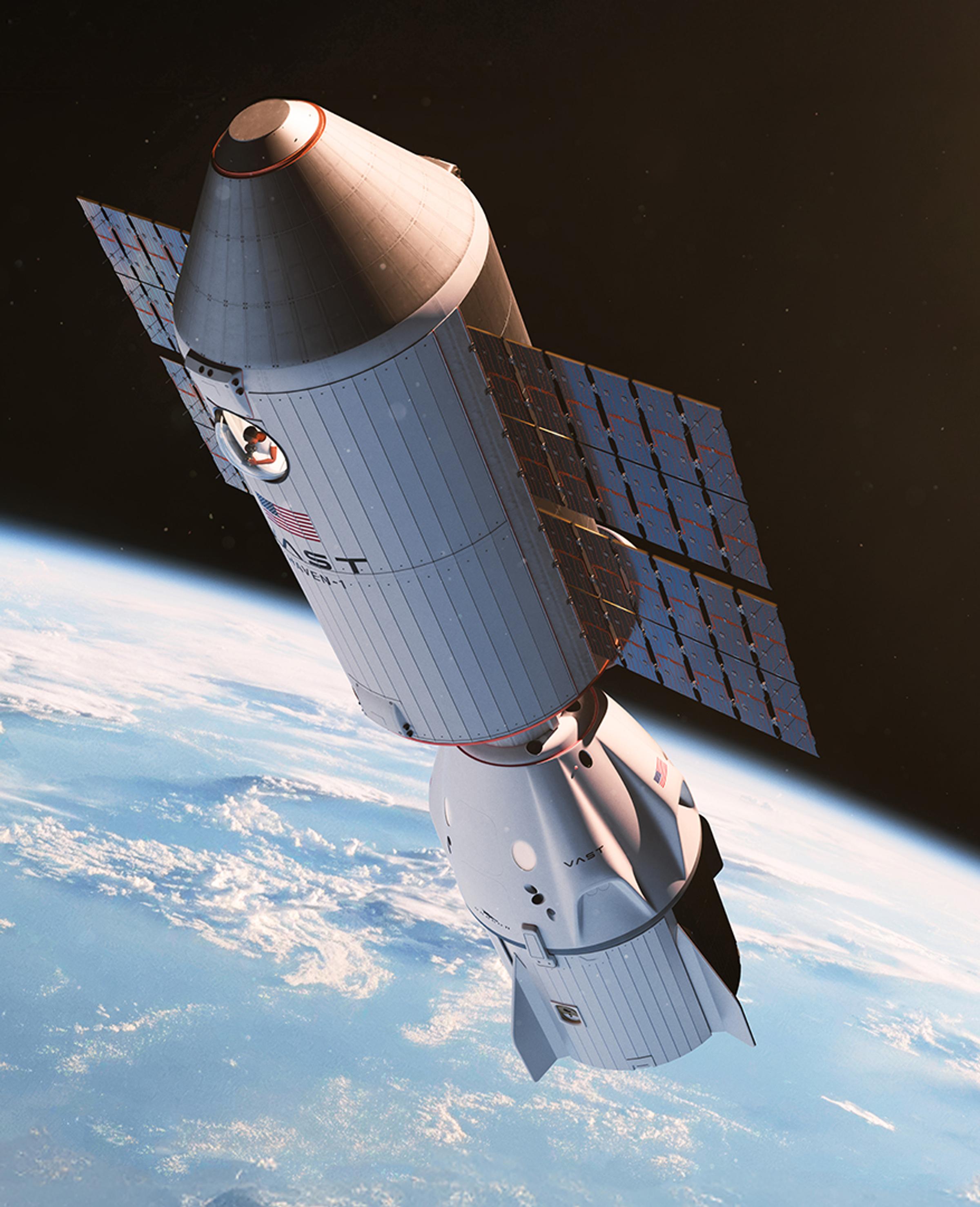
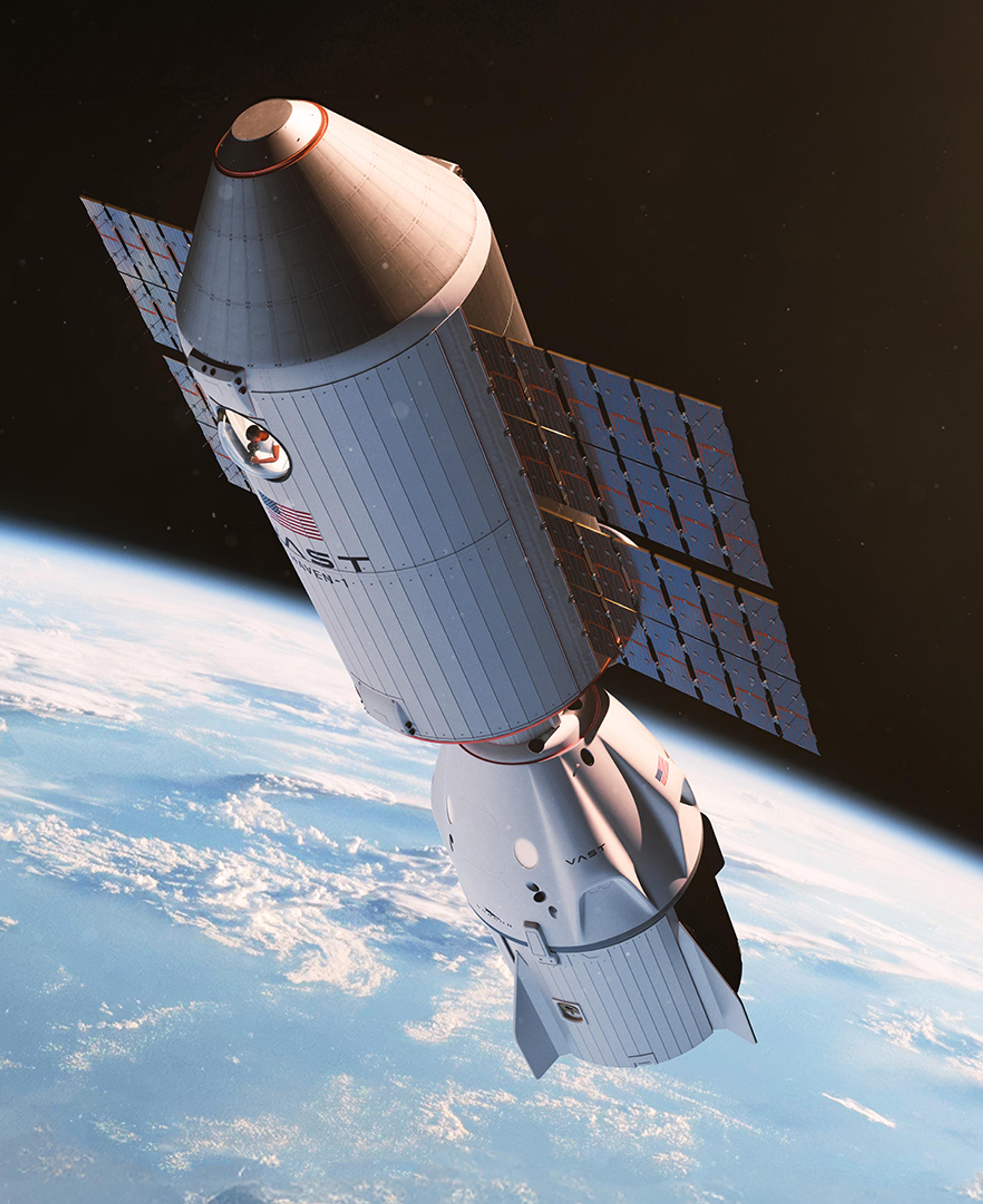
Fig 4Vast Haven-1
Eden in Orbit: Four Missions Inside Haven-1
Interstellar Lab is partnering with Vast to conduct cutting-edge research aboard Haven-1, a next-generation commercial space station scheduled to launch in 2027. Over a three-year period, this program will support four orbital missions, each carrying a crew of four astronauts for approximately fourteen days. During these missions, Eden 1.0 will be deployed within the station’s laboratory to perform a series of microgravity experiments, advancing our capabilities in space-based research. One of these missions, Mission Little Prince, will focus on growing roses in orbit, symbolizing both scientific innovation and a poetic exploration of life beyond Earth.
READ MORE

OUR PARTNER
Vast’s Haven-1 is set to be the first commercial space station designed for microgravity research, development, and manufacturing. The Haven-1 Lab will provide a state-of-the-art platform for a variety of industries, from biotechnology and pharmaceuticals to advanced materials and scientific experiments. Haven-1 is scheduled to be the world’s first commercial station and will help foster a seamless transition ahead of the International Space Station (ISS) retirement in 2030.
READ MOREFoodProduction
Food Production
Developing autonomous bioregenerative food production systems for long-duration space missions. Our platforms cultivate fresh crops while recycling air, water, and nutrients, enabling a closed-loop ecosystem that supports astronaut health and mission sustainability in microgravity environments.
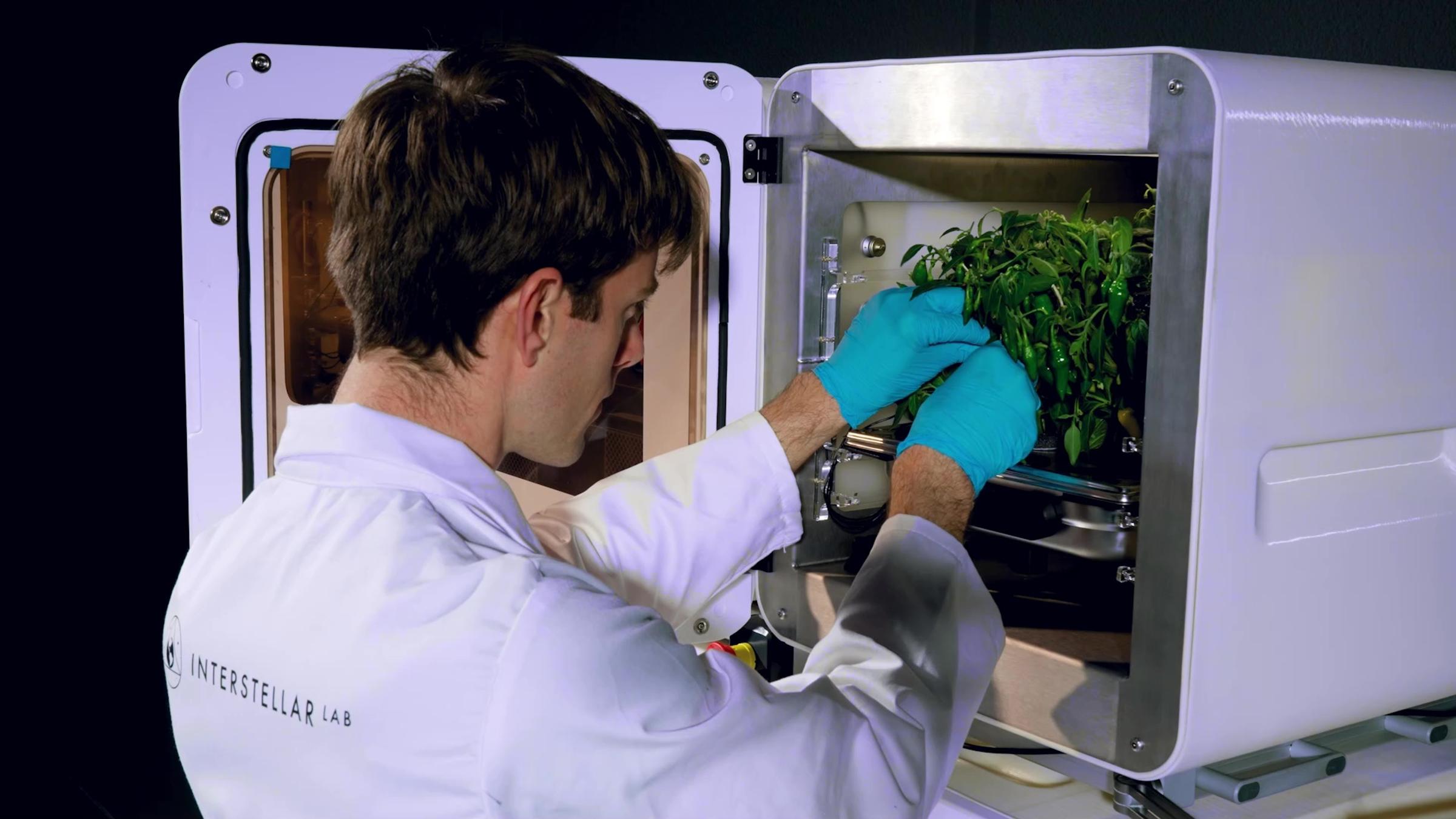
Food production system for long-term space missions:
pioneering autonomous space farming that turns microgravity into a self-sustaining lab for fresh, nutritious food.
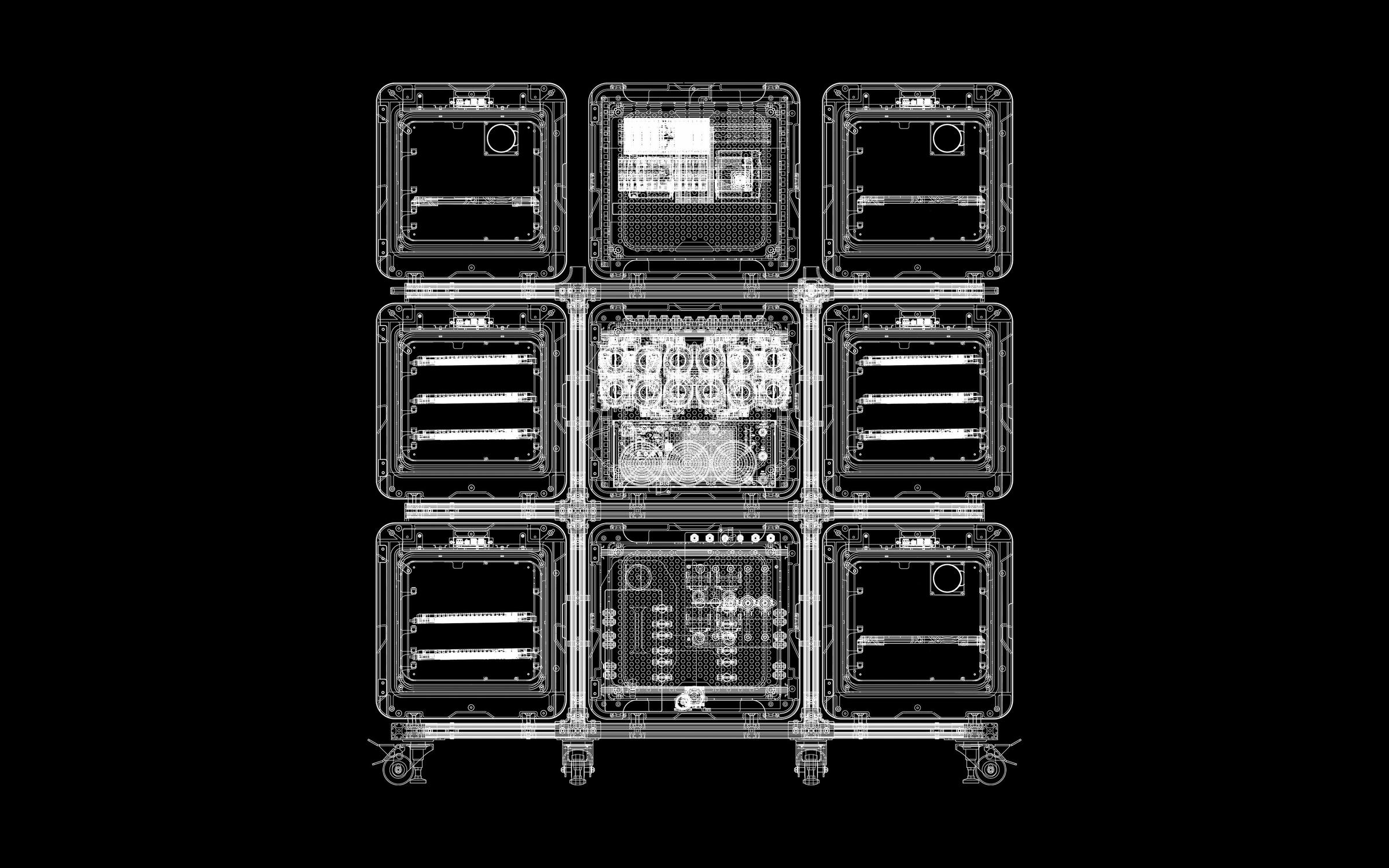
Meet NuCLEUS.
An autonomous, intelligent food production system that grows fresh, nutritious crops in a closed-loop environment, recycling air, water, and nutrients for long-duration space missions.
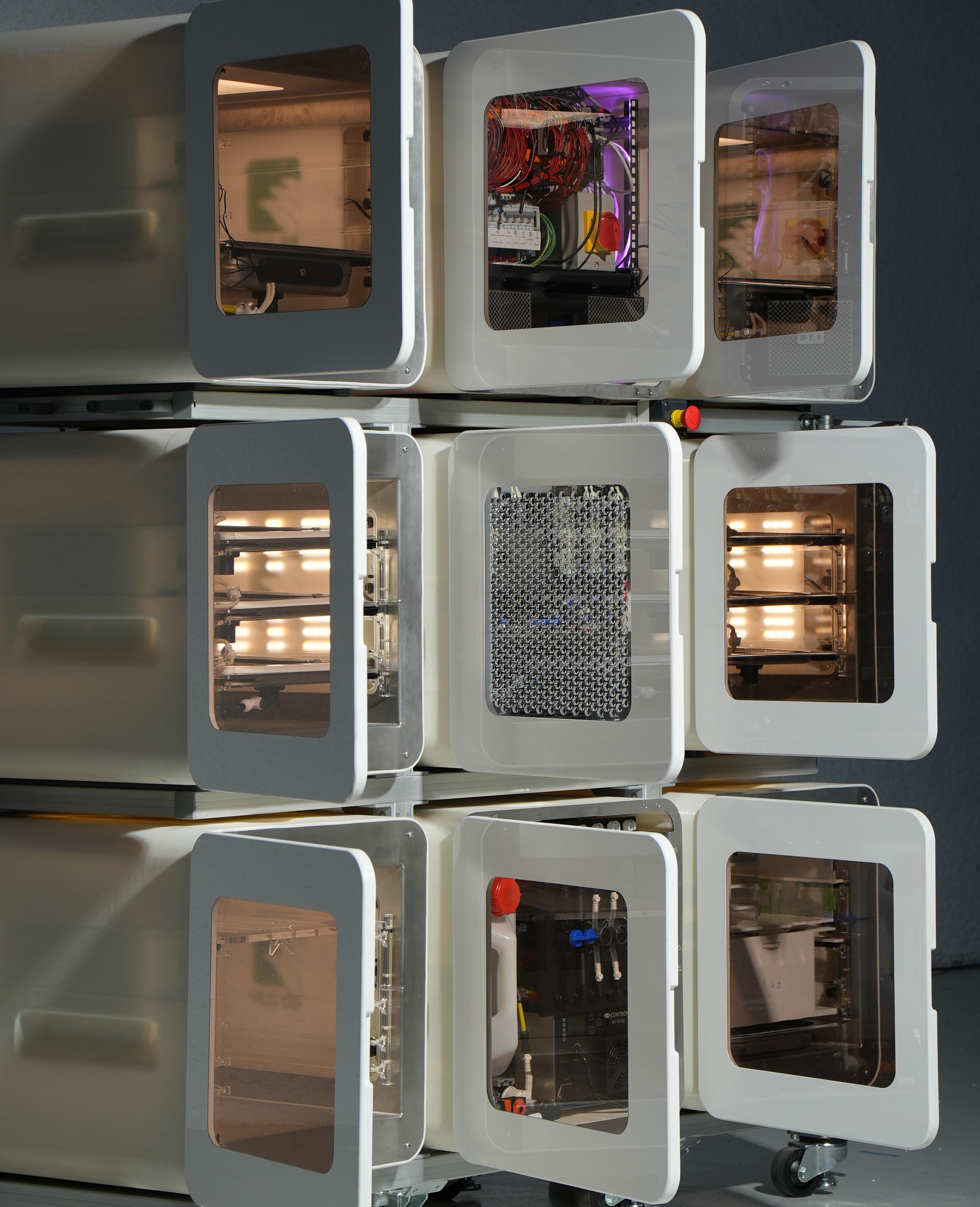
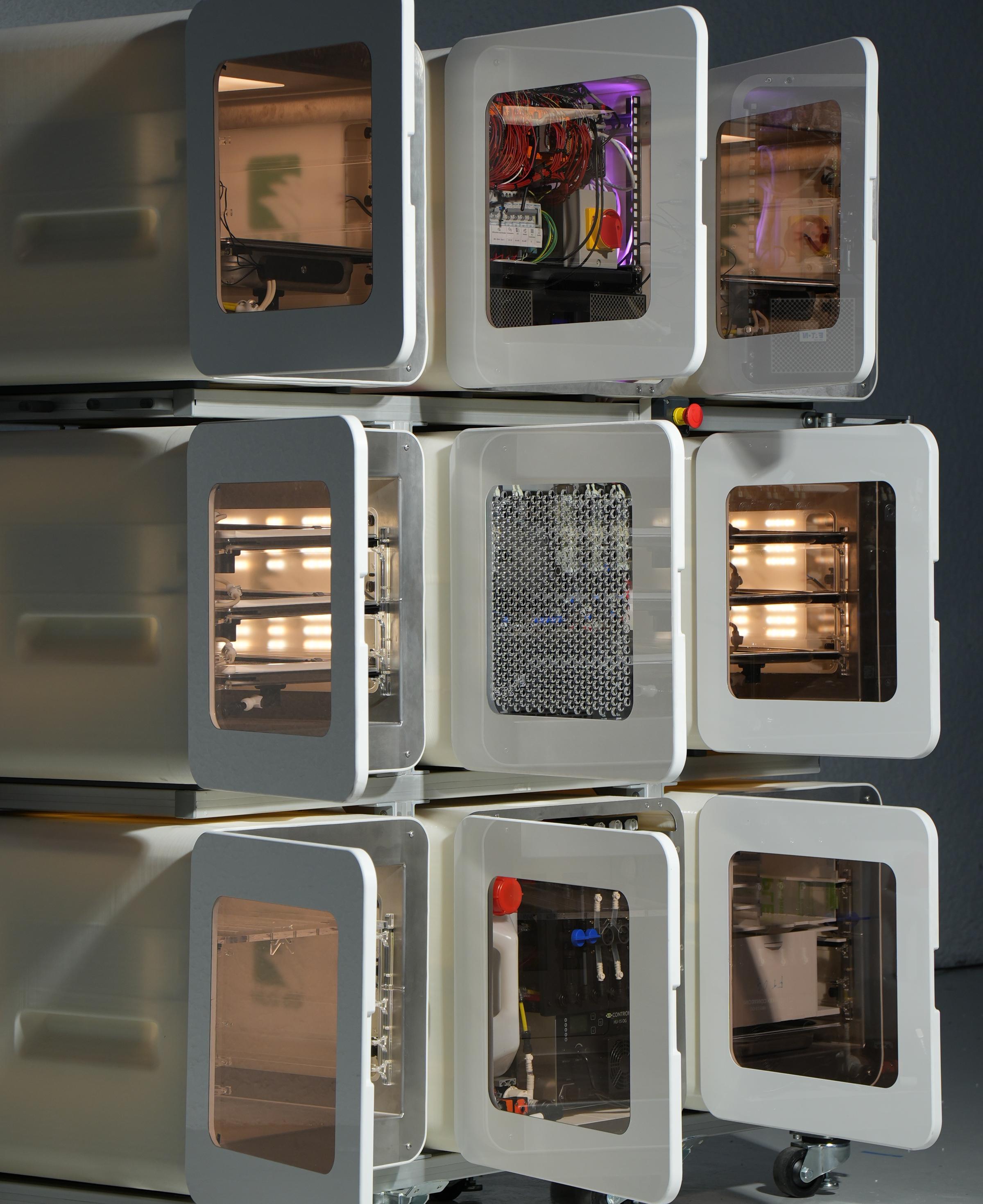
Fig 1NUCLEUS 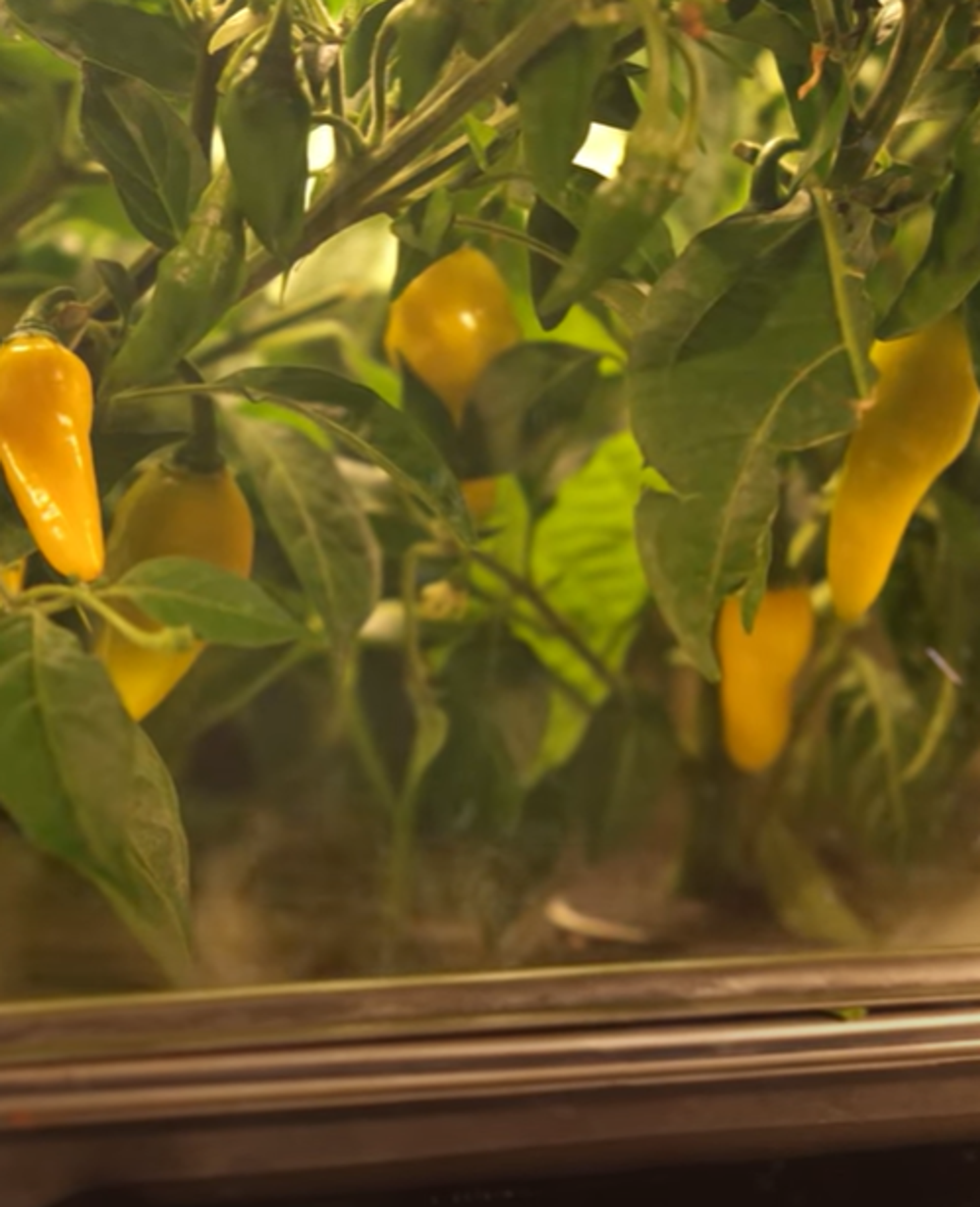
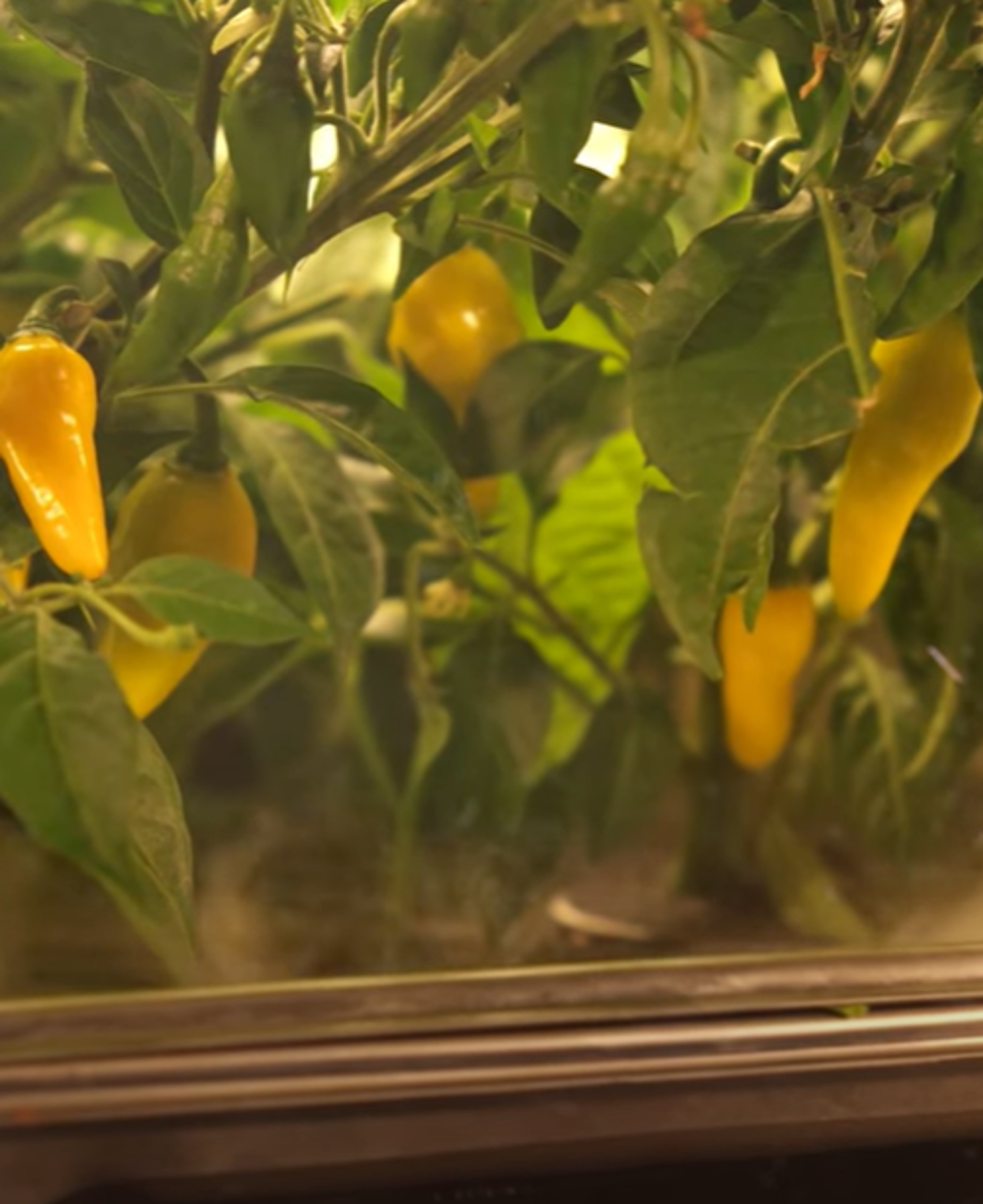
Fig 2Freshly grown food ingredients in NUCLEUS 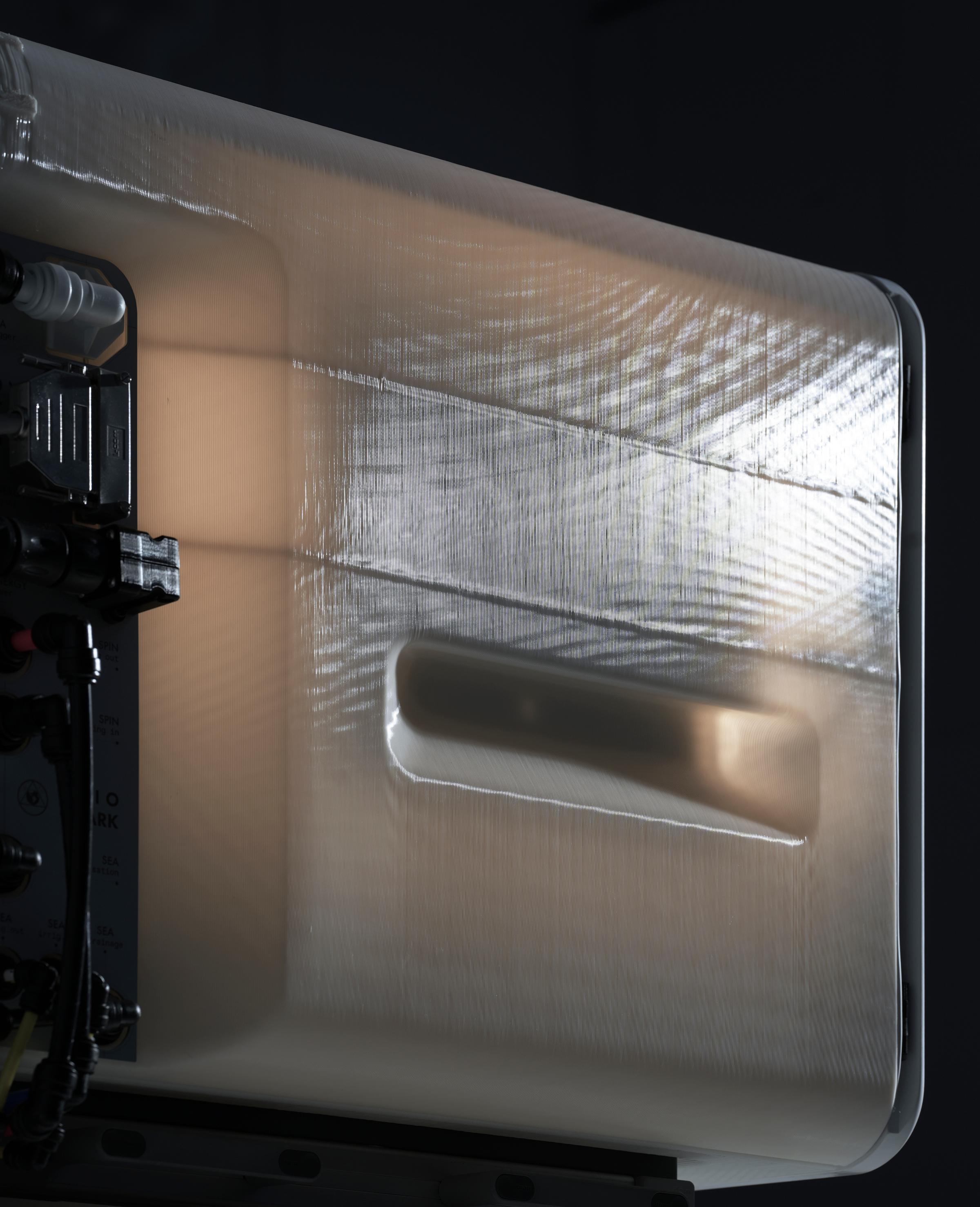
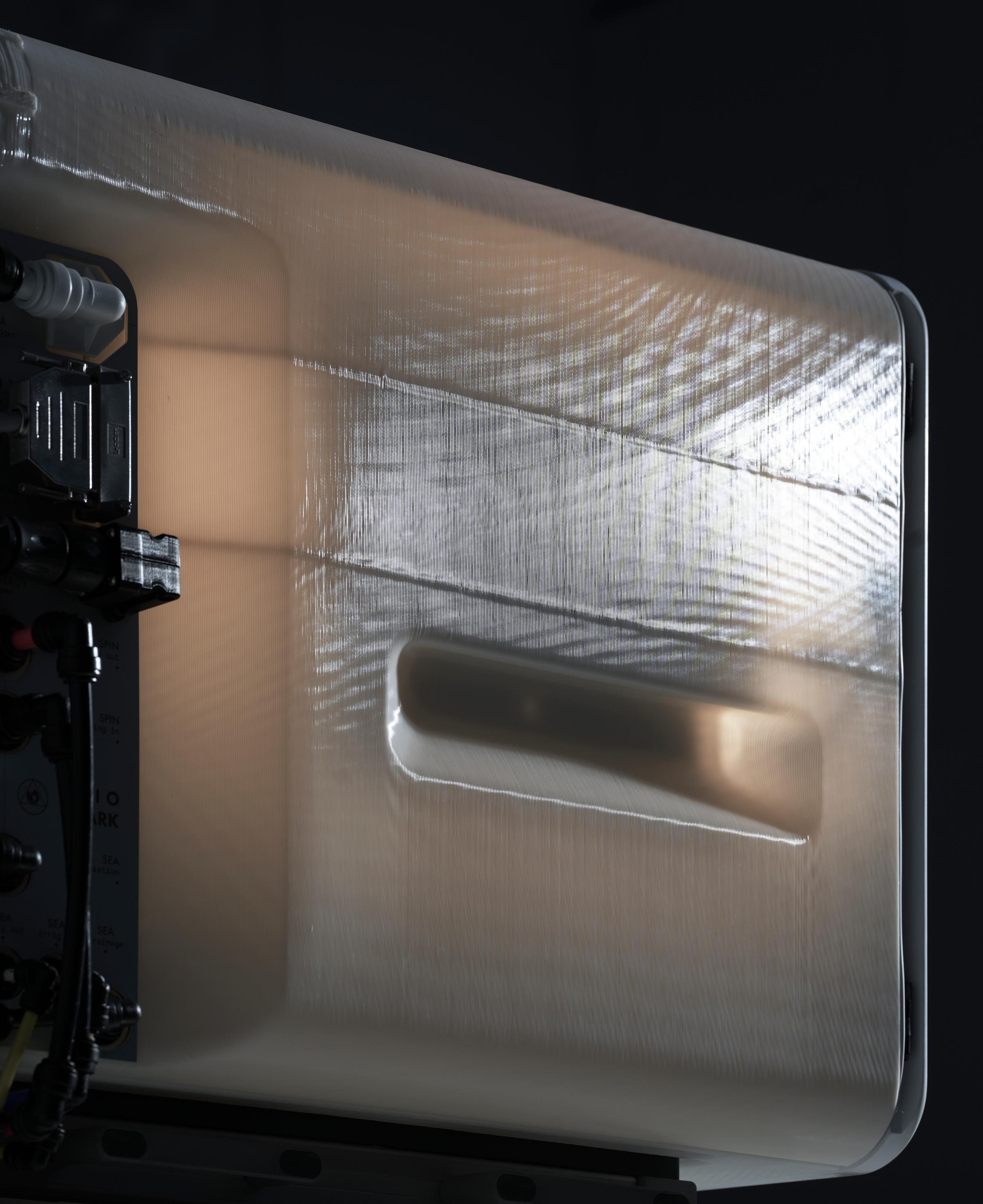
Fig 3A view of Bioquark
HOW IT WORKS
NUCLEUS has 6 growing modules called BioQuarks, adaptable to different setups to grow sprouts, vegetables, insects, and mushrooms and 3 system modules for water treatment, air management and automation. This autonomous, intelligent food production system designed to support long-duration human space exploration by growing fresh microgreens, vegetables, mushrooms, and even insects in a closed‑loop, bioregenerative environment that recycles air, water, and nutrients. The modular system minimizes resource inputs while maximizing nutritious output, addressing critical challenges for sustained astronaut health on missions beyond Earth.
Read More

US WINNER OF DSFC BY NASA
Interstellar Lab has emerged as the winner of NASA's Deep Space Food Challenge, taking home a total of $1 million in prize money. The cutting-edge food production system, NuCLEUS was specifically designed to support long-duration space missions by providing a sustainable, efficient, and nutritious food supply.
READ MORELUNARGREENHOUSE
LUNAR GREENHOUSE
Our lunar greenhouse is being designed to survive the Moon’s extreme conditions while supporting plant growth and life. By studying how organisms adapt to low gravity, radiation, and harsh temperatures, we gather vital data for sustainable lunar habitats. This research will pave the way for durable, self-sufficient human presence on the Moon.
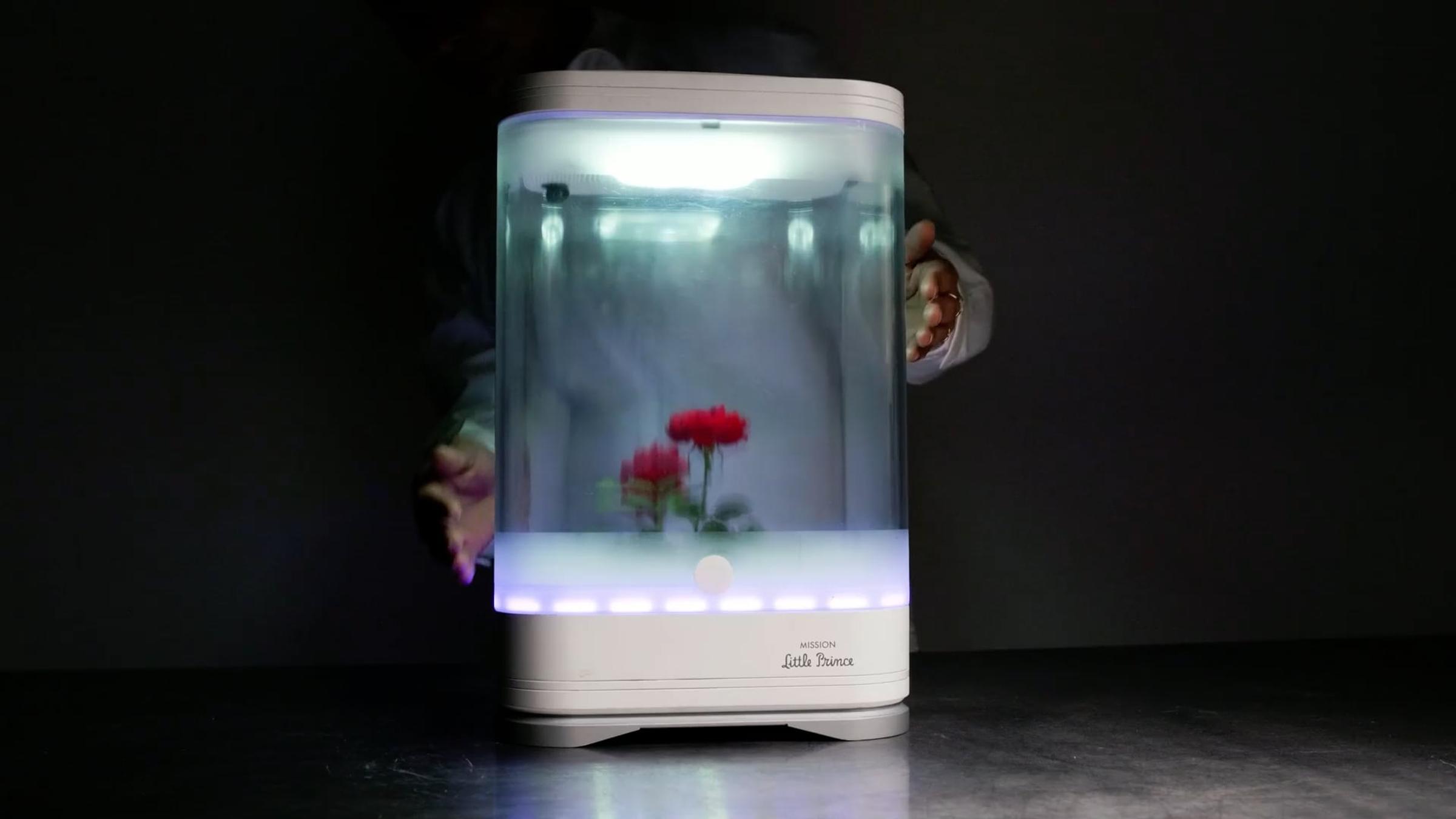
Growing Roses on the Moon
Our first step on the lunar surface. Studying how life adapts to low gravity, radiation, and extreme temperatures, we gather key data to enable sustainable, self-sufficient human habitats on the Moon
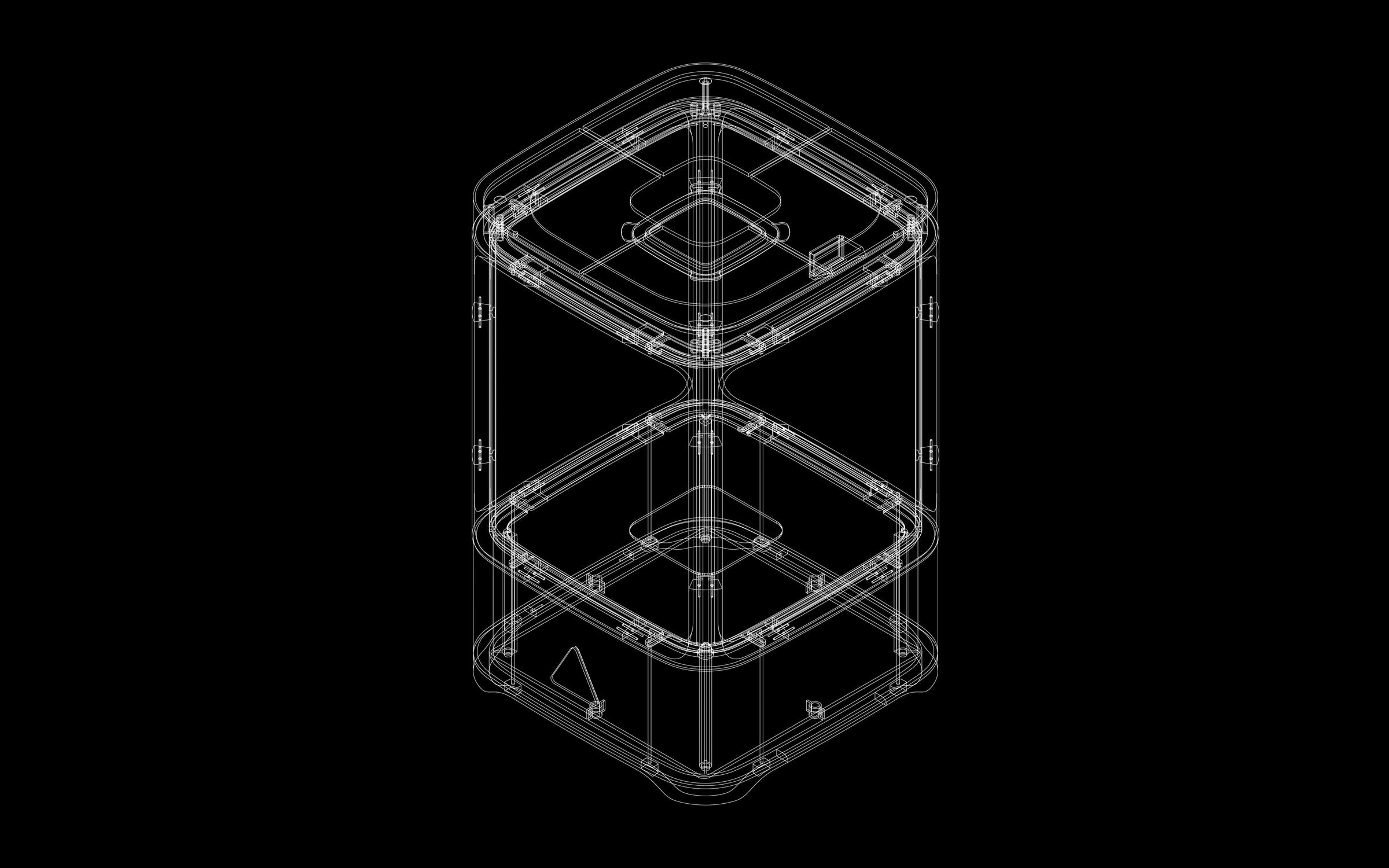
Discover Bloom.
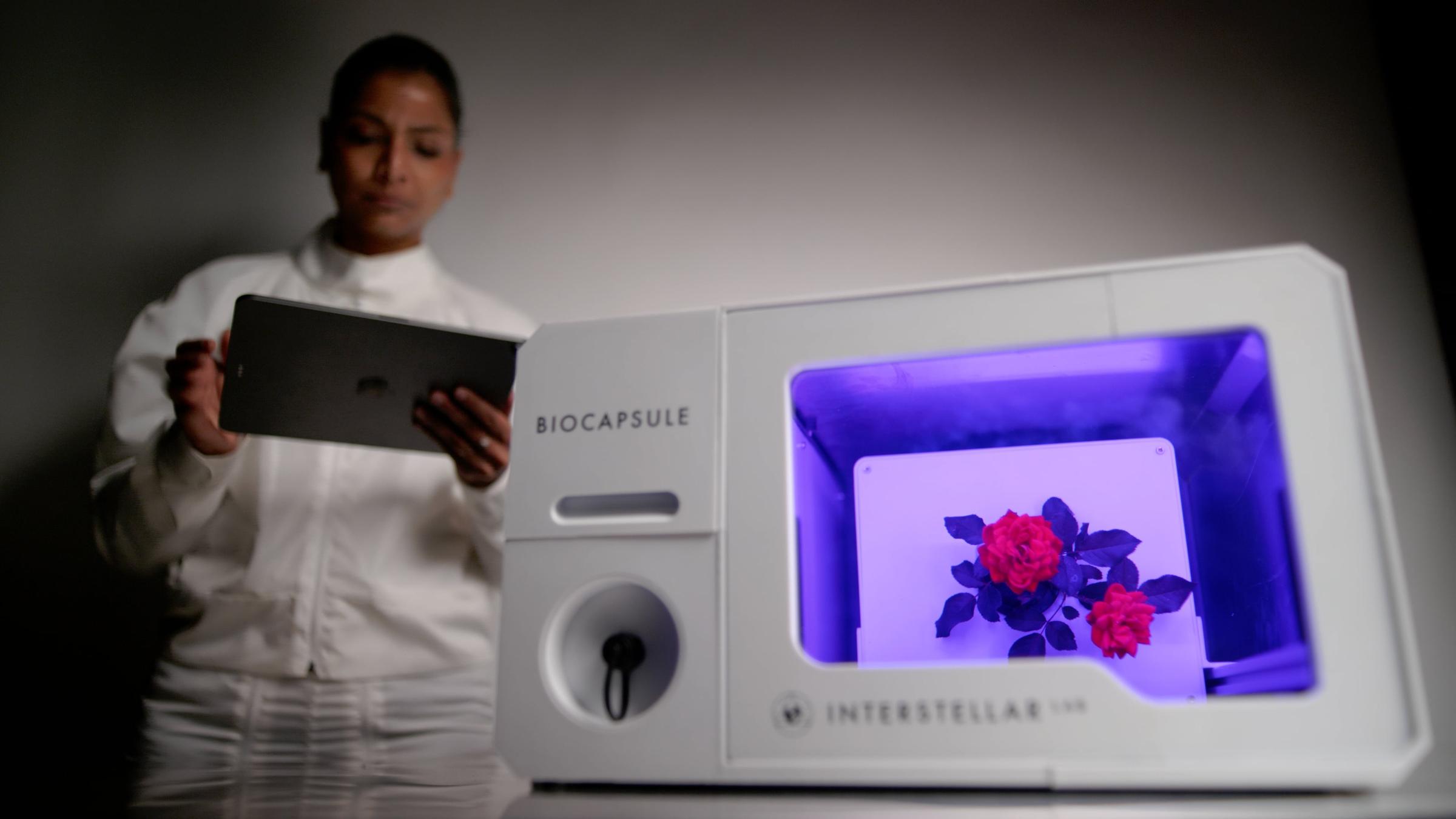
Engineered for life-sciences research on the Moon, Bloom survives extreme conditions while supporting plant growth, gathering vital data to enable sustainable lunar habitats.
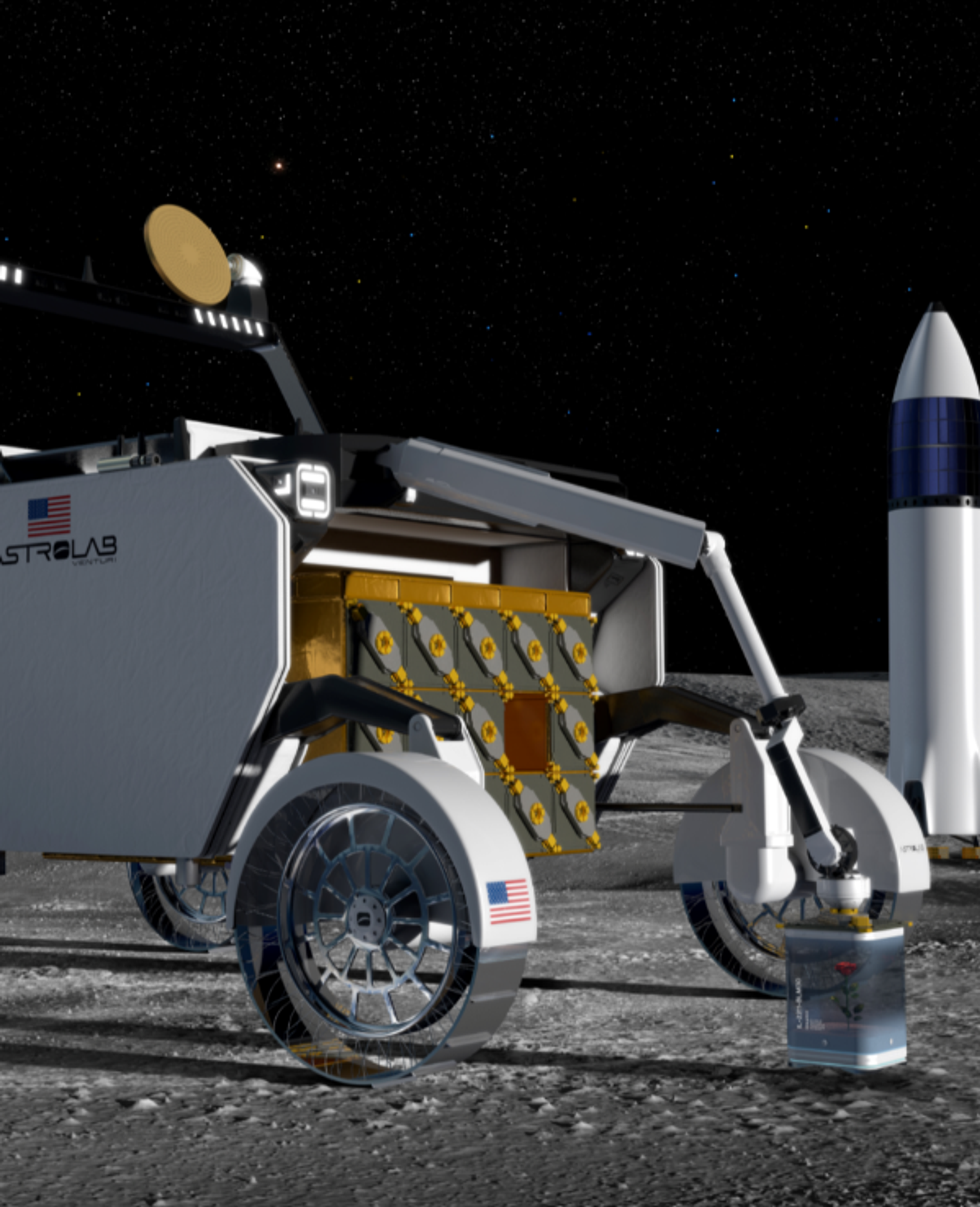
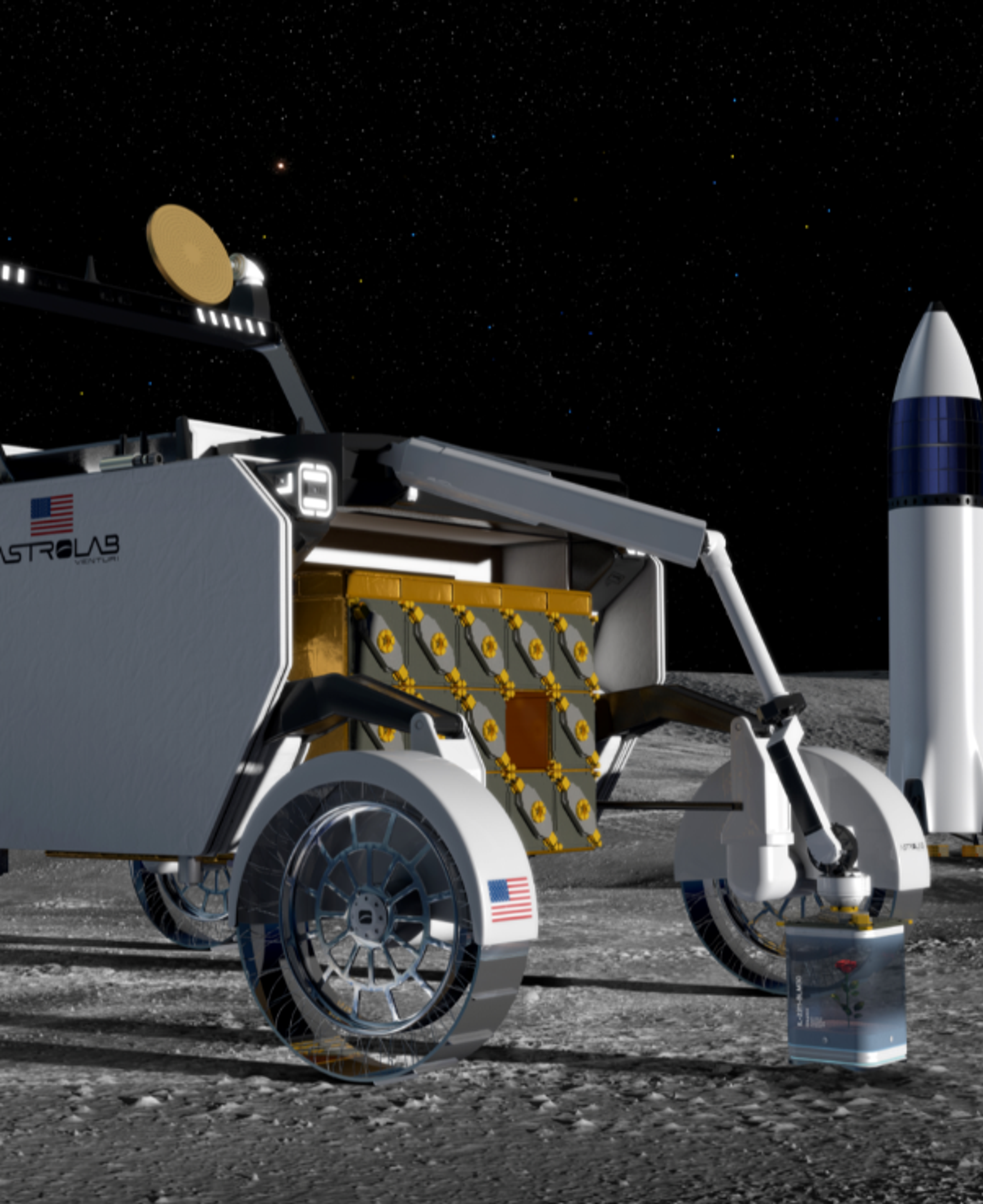
Fig 1Astrolab's FLEX Rover installing Bloom on the Moon. 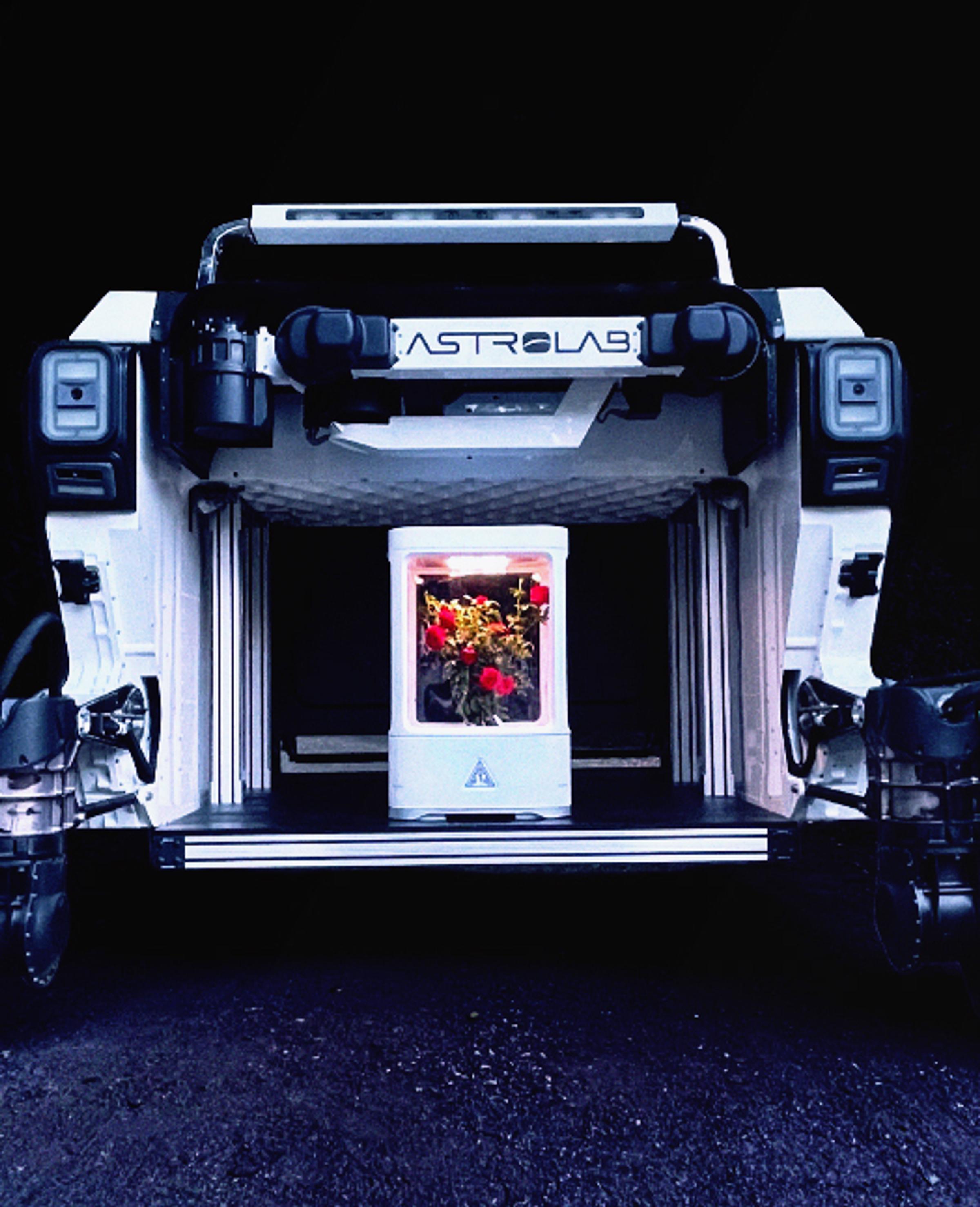
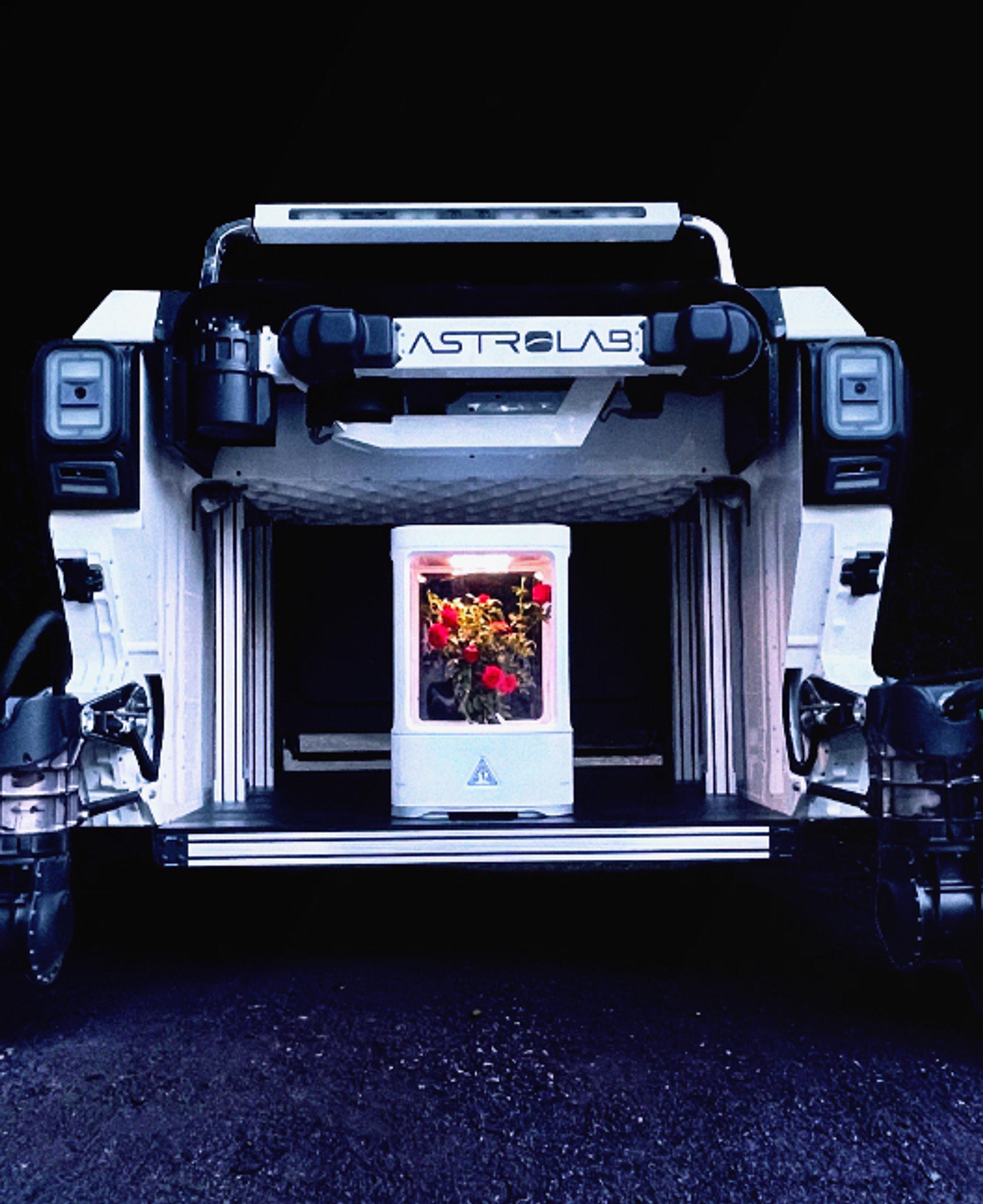
Fig 2Picture of Astrolab's FLEX Rover with first prototype of Bloom. 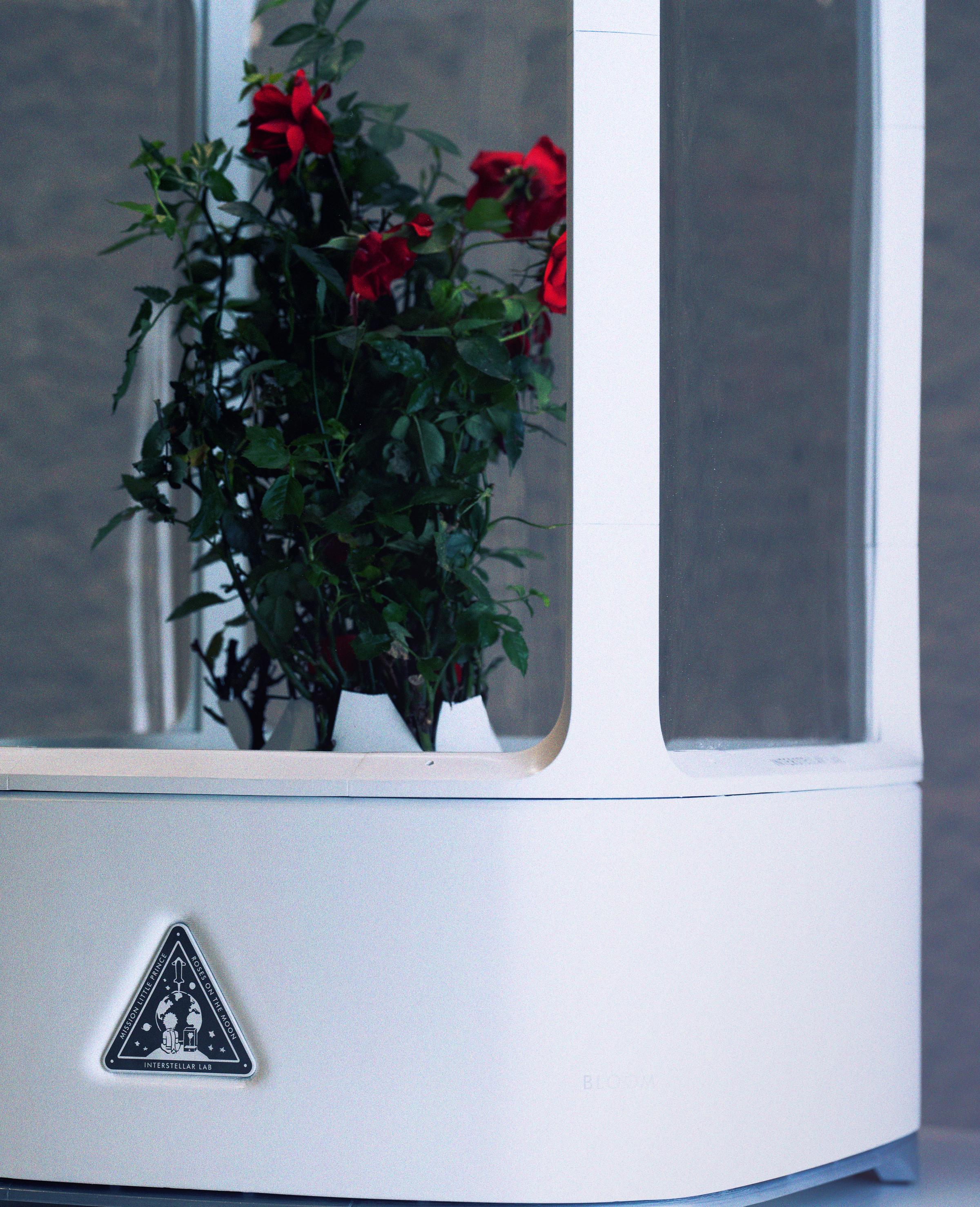
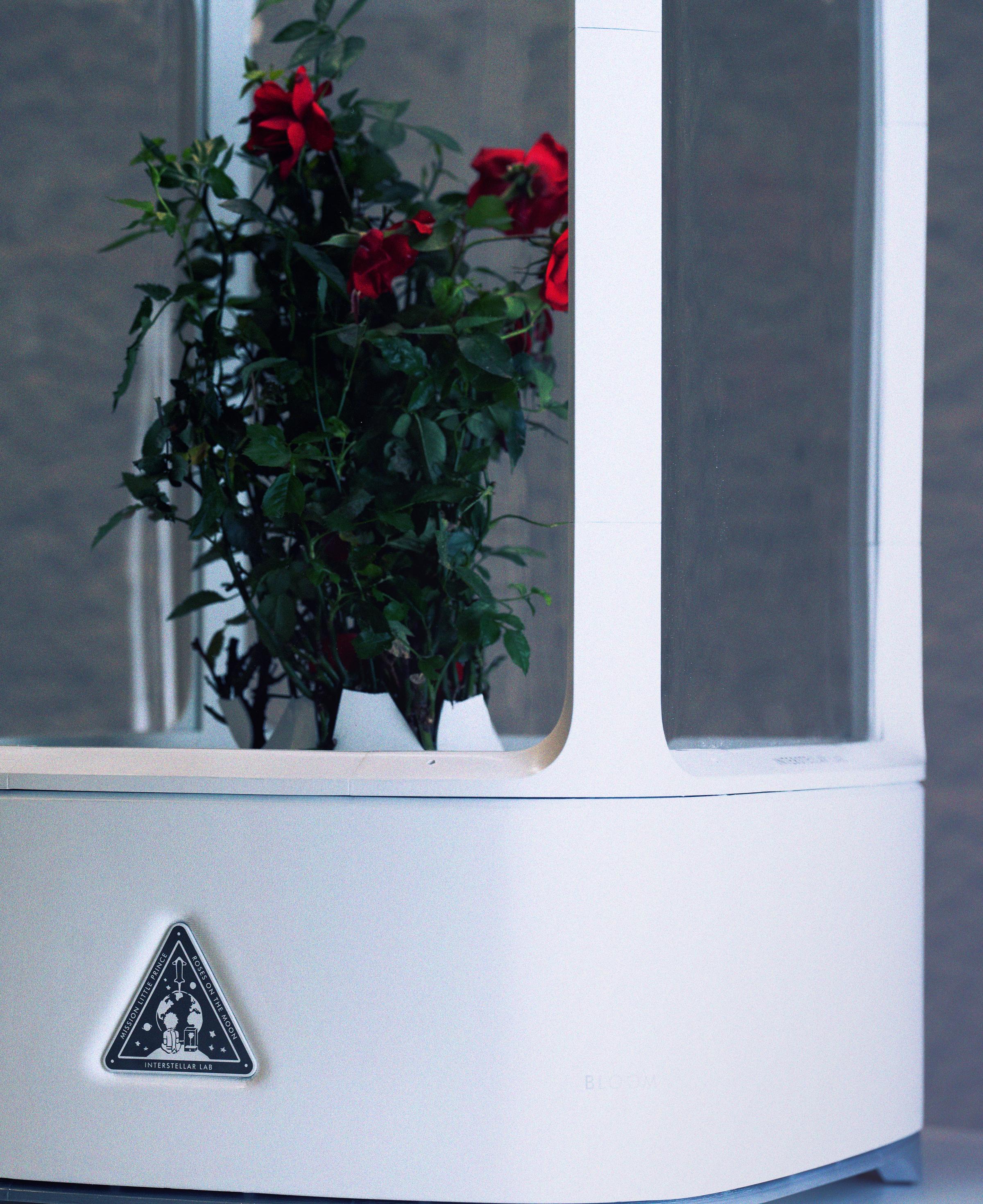
Fig 3Prototype of Bloom with red roses.
OUR GOAL
Designed by Interstellar Lab, Mission Little Prince is program looking to grow roses in LEO, Moon and Mars in automated transparent plant pods and capture pictures of life growing in the Solar System. For the Moon Mission, the company partnered with Astrolab to install the payload with FLEX rover on the lunar surface. Mission Little Prince: Moon will be part of Astrolab’s Mission 1 on SpaceX Starship first flight to the Moon.
READ MORE


OUR PARTNERS
In partnership with The Antoine de Saint Exupéry Youth Foundation The mission‘s objective is to inspire generations by making the Little Prince’s iconic rose multiplanetary. Leveraging on Interstellar Lab expertise and technological innovation, the rose will be grown on orbit around the Earth, on the Moon & Mars.INTERSTELLAR LAB PARTNERED WITH ASTROLAB TO INSTALL THE PAYLOADS ON THE LUNAR SURFACE WITH FLEX . MISSION LITTLE PRINCE WILL BE PART OF ASTROLAB’S MISSION 1.
READ MOREMOONBASE
MOON BASE
A vision for a bioregenerative station, integrating our autonomous controlled-environment biopods to provide FOOD, AIR AND water to the Moon Base. Our eBIOS concept is designed as a combination of Biopods to enable self-sustaining LONG-TERM HUMAN PRESENCE on the moon.
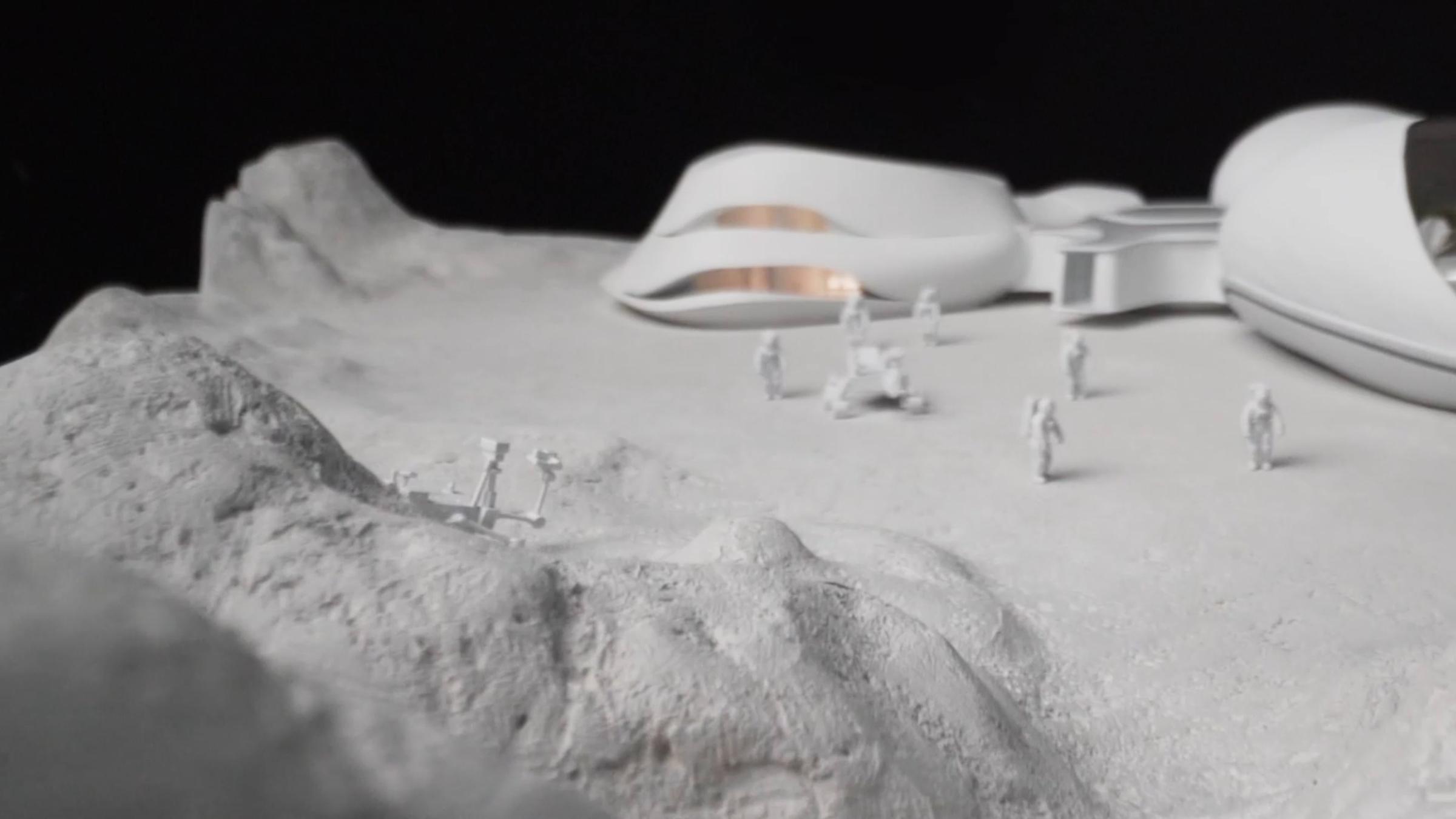
A self-sustaining Moon Base:
integration of biopods and bioregenerative life-support system to produce food, water, and air for long manned mission.
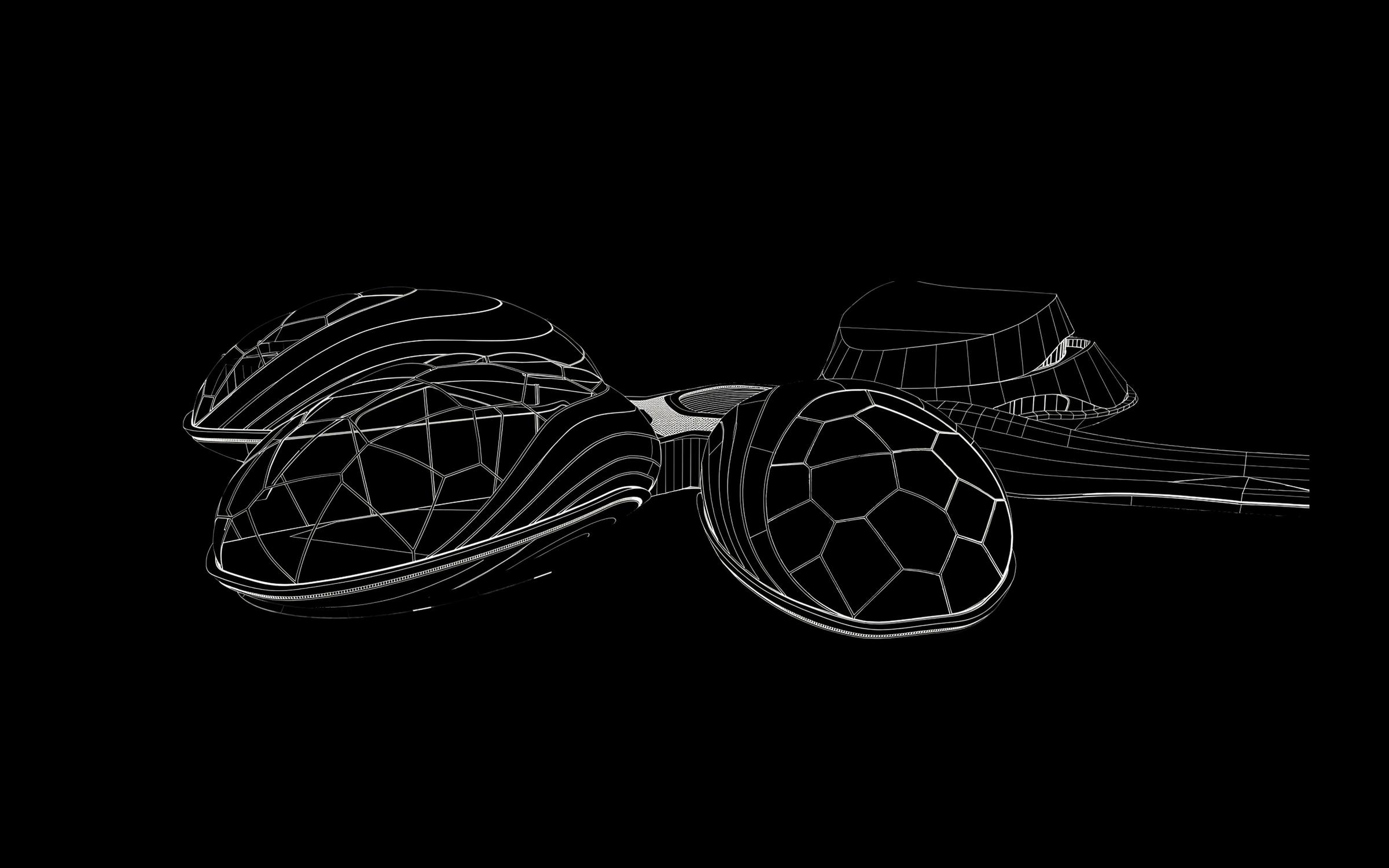
Ebios
Fig 1. EbiosPreparing for the Future of Lunar Habitation.
Ebios is designed with advanced life-support systems that recycle air, water, and nutrients, creating a self-sufficient environment for humans and plants alike.
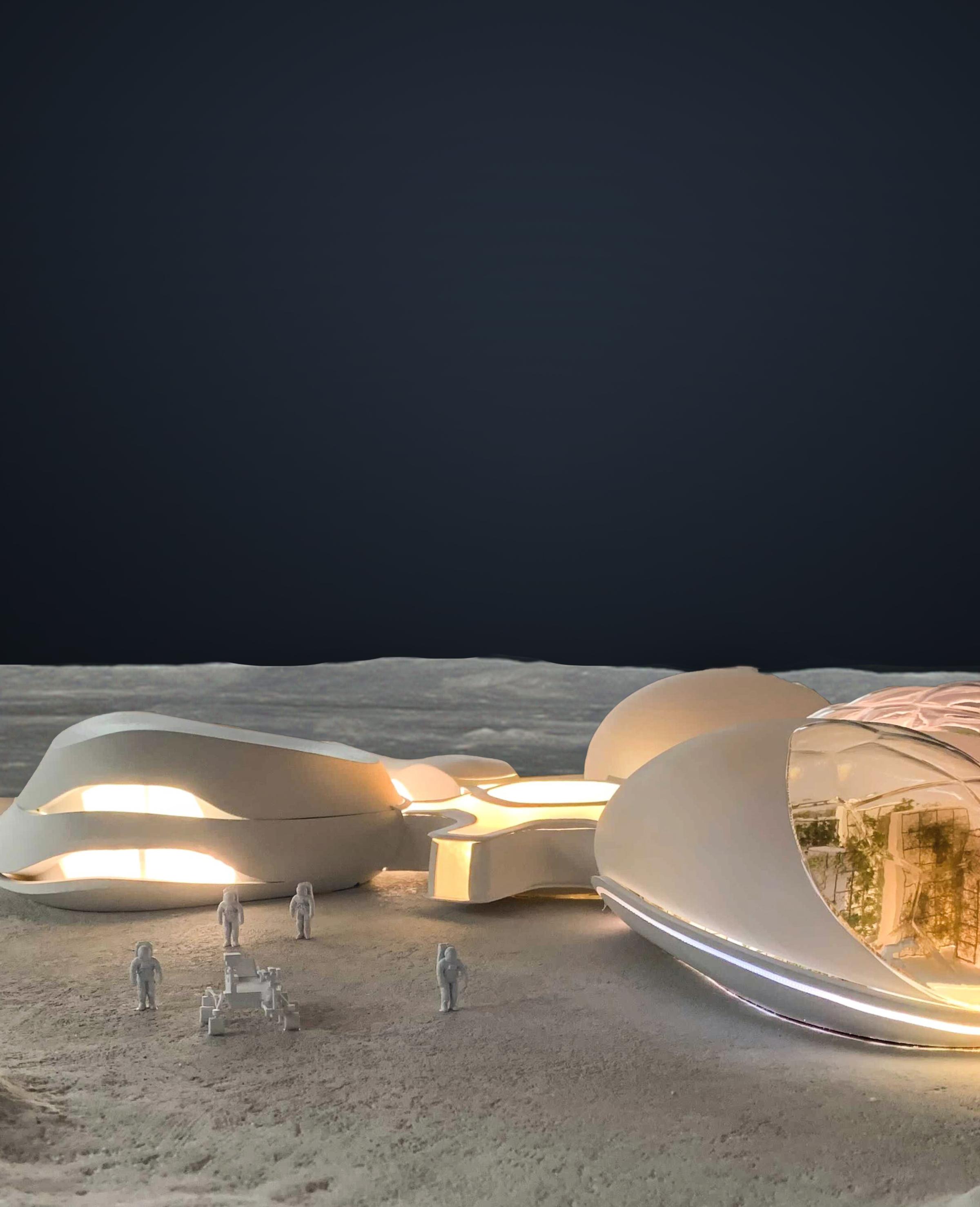
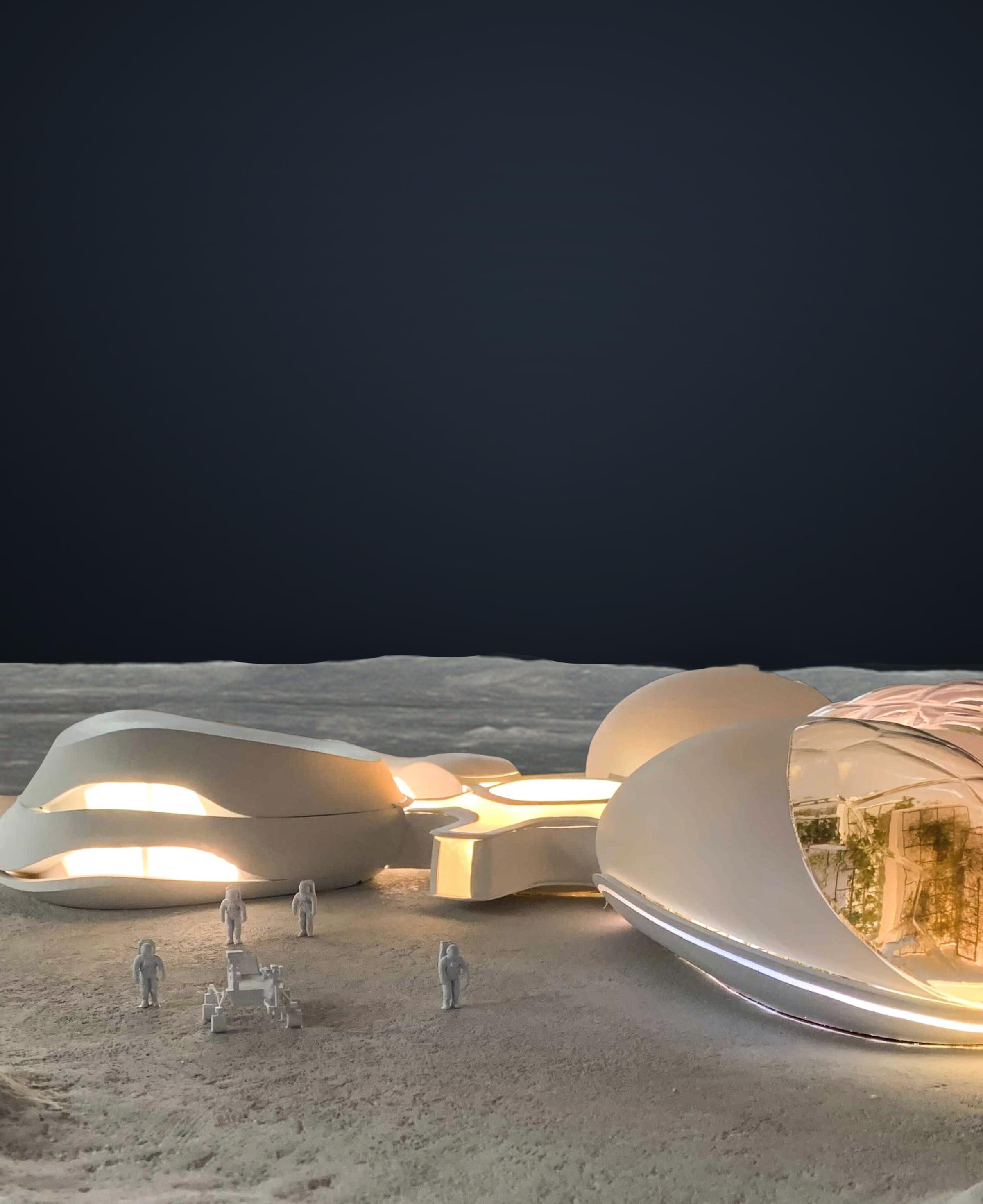
Fig 1EBios 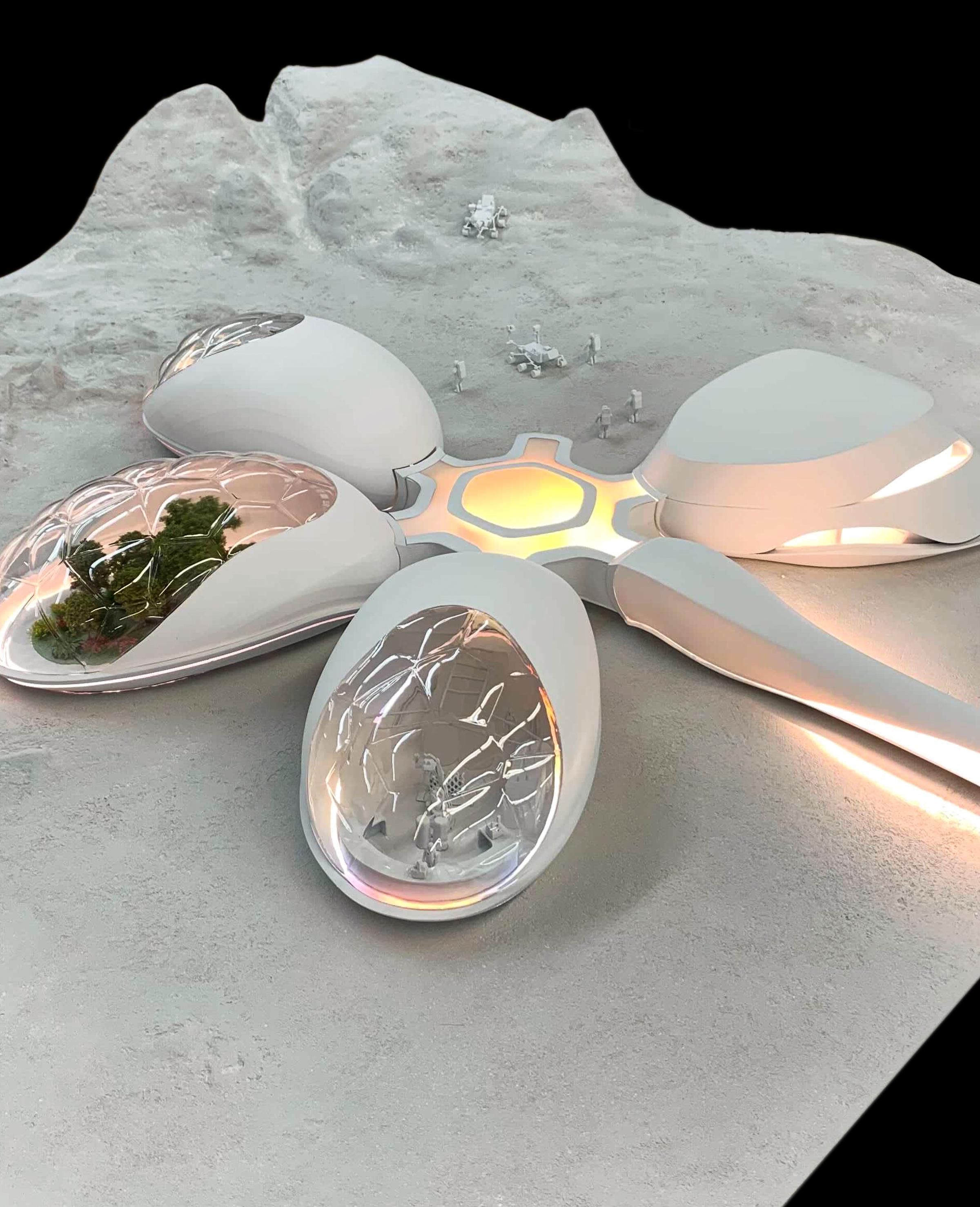
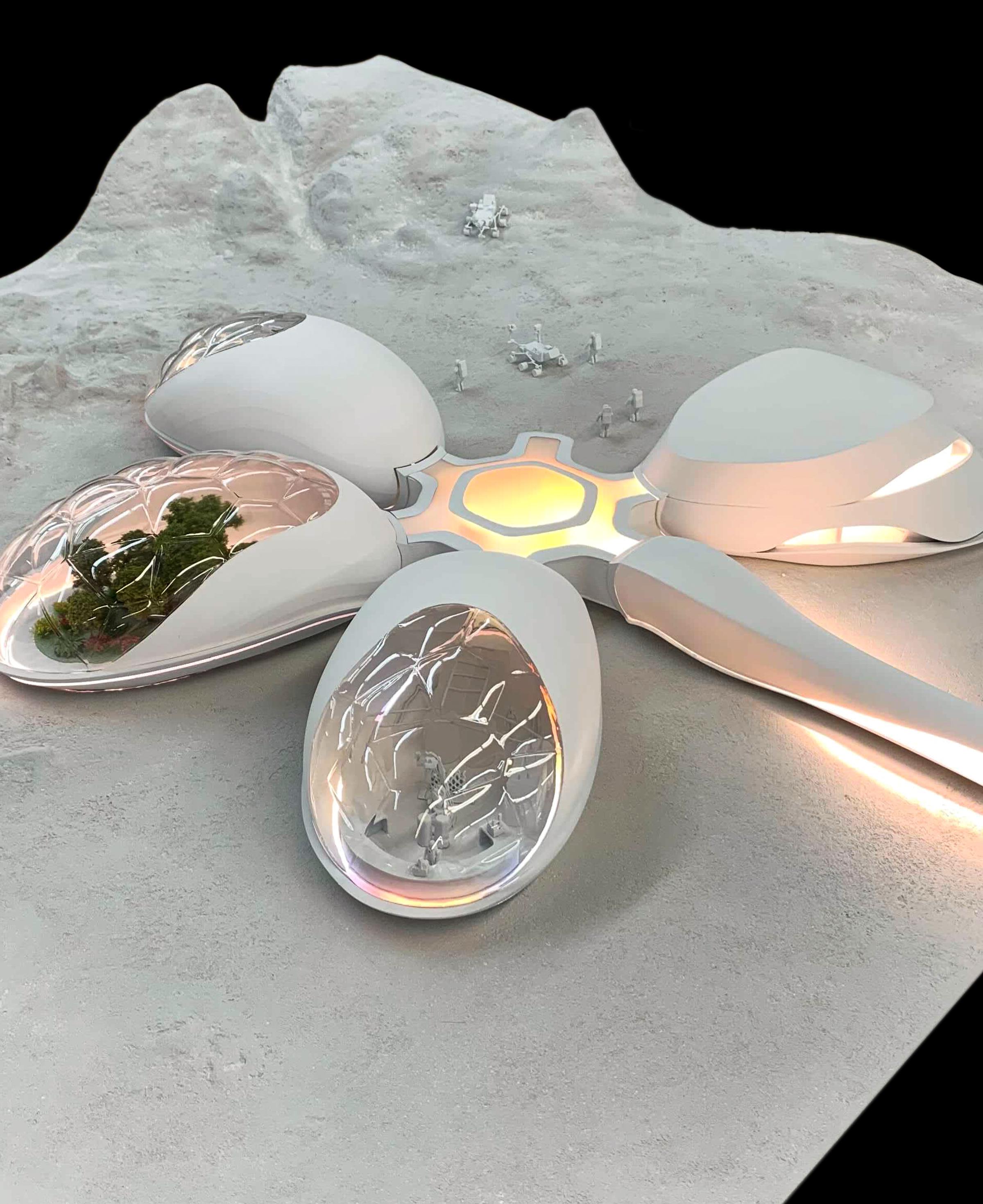
Fig 2Model of EBIOS on the Moon. 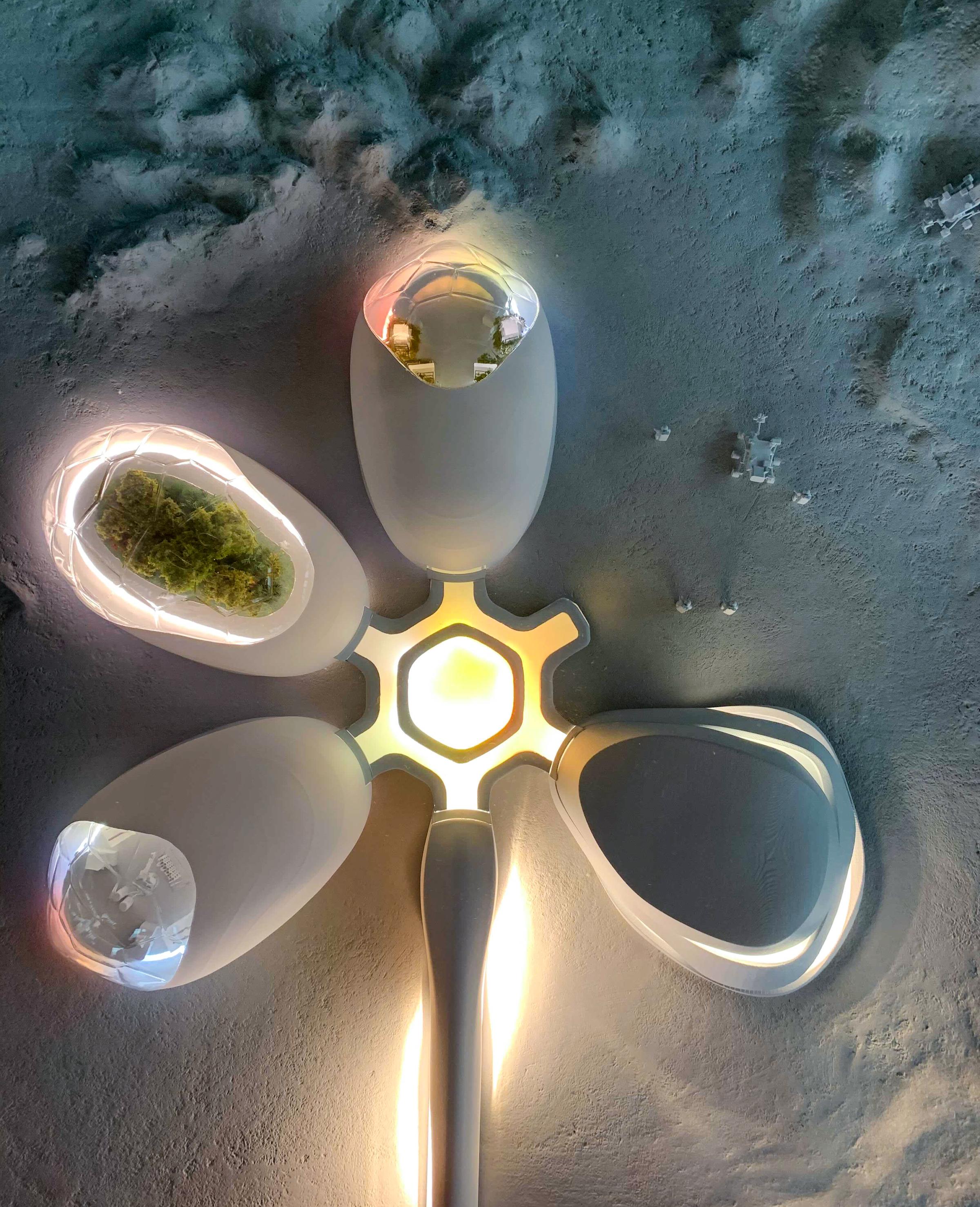
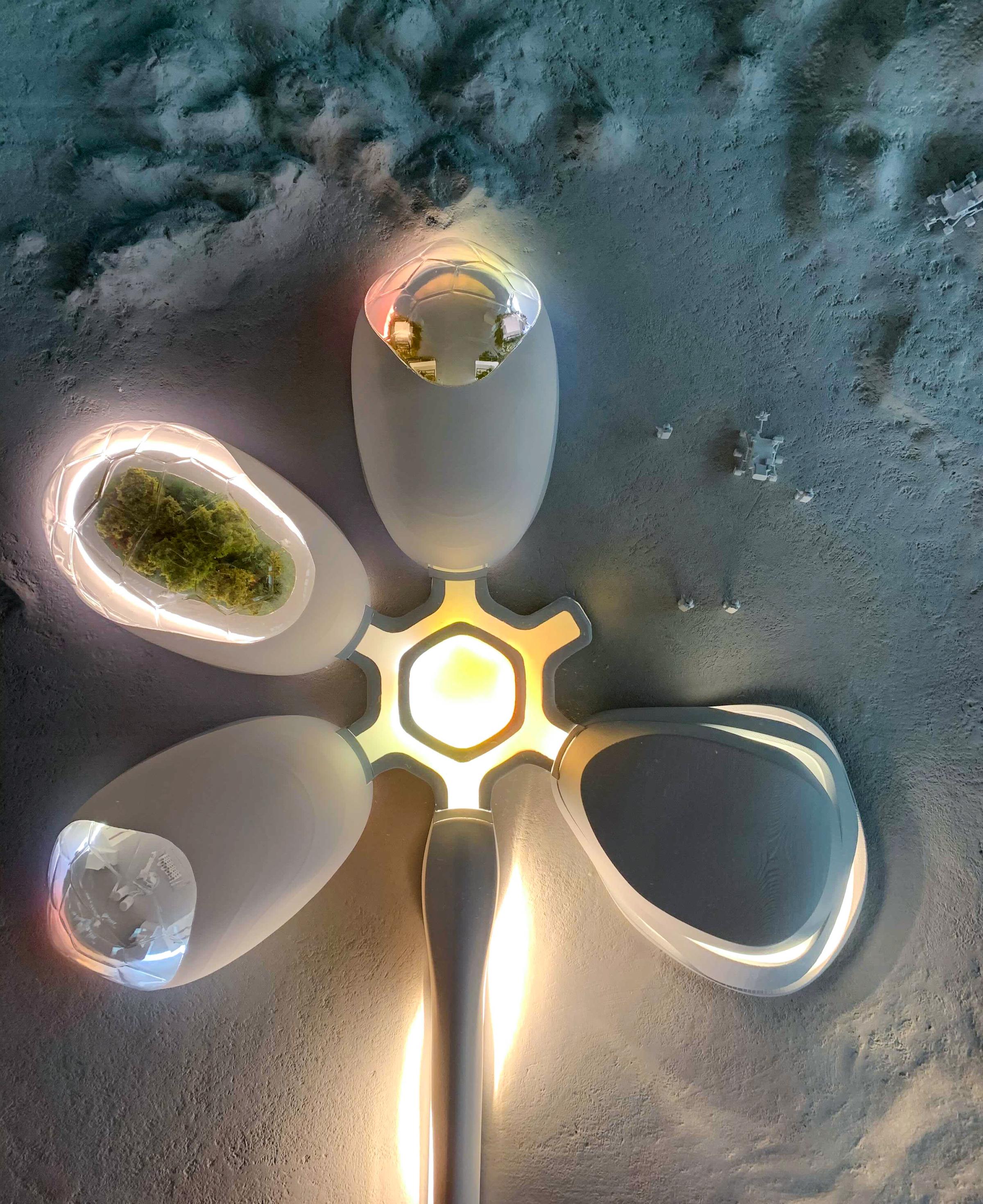
Fig 3EBios
OUR GOAL
BY closing the loop with the INTEGRAtion of biological systems including controlled-environment greenhouse, we ENSURE THAT EVERY RESOURCE IS EFFICIENTLY USED, MAKING LONG-TERM LUNAR MISSIONS FEASIBLE AND SUSTAINABLE. EVERY EXPERIMENT AND OBSERVATION AT EBIOS PROVIDES CRITICAL INSIGHTS INTO LIVING ON THE MOON. FROM PLANT GROWTH CYCLES TO HUMAN ADAPTATION, THE DATA COLLECTED WILL GUIDE THE DESIGN OF DURABLE HABITATS, LAYING THE GROUNDWORK FOR PERMANENT HUMAN PRESENCE AND EXPLORATION BEYOND EARTH.
READ MOREInterested in growing plants in space ?
From mission design to flying with our partners, we offer access to plant research in space.
MISSION PLANNING
- DESTINATIONLEO
- MISSION DURATION1 MONTH
- PLANT SPECIESMadagascar Periwinkle
- EXPERIMENTMicrogravity and Secondary Metabolites